Ventilation and humidity: how can you protect your furniture from moisture?

Damp damages your furniture: the damage you need to be aware of
A family of four produces an average of 12 litres of water vapour every day. The bathroom remains the most vulnerable room in your home, where humidity levels can easily reach 100%.
This excessive humidity damages your furniture and is harmful to your health. A mechanical ventilation system in the bathroom is the most effective way to tackle this problem at its source.
Controlled mechanical ventilation continuously extracts and replaces air. We can help you discover how a suitable system, combined with a few simple steps, can protect your fittings from water vapour in the long term.
Wood warps and swells
Wood reacts immediately to changes in humidity. The fibres absorb water vapour from the air, causing uneven dimensional changes. Longitudinal shrinkage remains low at 0.1%, but radial shrinkage reaches 5% and tangential shrinkage can exceed 10% on average.
These variations cause irregular warping as the wood dries. Your solid wood furniture, particularly those placed in a bathroom without mechanical ventilation, undergo repeated cycles of swelling and shrinkage. This alternation gradually weakens their structure and compromises their durability.
Mould spreads quickly
Mould needs just two things: a substrate rich in minerals and moisture. Wood provides the ideal conditions for this, which explains why your furniture and picture frames quickly develop mould.
Condensation accelerates their growth in poorly ventilated areas. These fungi form stubborn stains and their filaments penetrate deep into materials, causing considerable and permanent damage.
Metal corrodes and rusts
Damp accelerates the deterioration of the metal parts in your furniture. When humidity exceeds 65%, metal surfaces absorb enough water vapour to trigger the corrosion process.
Hinges, metal legs and frames lose their strength. Rust sets in on iron parts, compromising the overall stability of the unit. This deterioration is particularly rapid in bathrooms where humidity levels remain constant.
Textiles get damaged and go mouldy
Textile fibres swell as they absorb moisture from the air. At 70% humidity, mould will appear on fabrics within three months at the very least, but at 90%, a few days are enough. Metal accessories, such as buttons, hooks and fastenings, corrode rapidly in just a few days if humidity exceeds 75%.
Natural fibres such as cotton, wool and linen absorb more moisture than synthetic fibres. Mould causes coloured stains that are impossible to remove and weakens the fibres until they are completely destroyed.
How does a mechanical ventilation system remove moisture from your home?
How controlled mechanical ventilation works
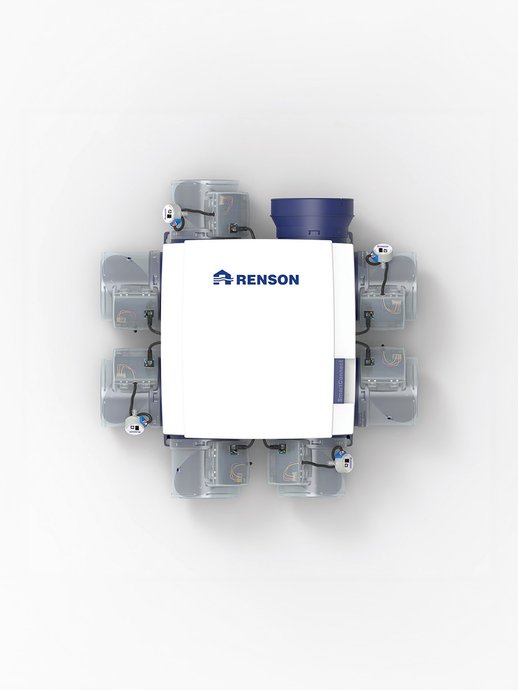
The CMV system operates via a centralised network that continuously extracts humid air from wet rooms. An extraction vent fitted to the ceiling or high up captures the steam-laden air and channels it through ducts to a motorised extractor fan. This system creates a vacuum that automatically draws in fresh outside air through the air inlets in dry rooms.
Stale air is extracted whilst fresh air is circulated throughout the home. This approach differs fundamentally from dehumidifiers: a mechanical ventilation system tackles the root cause of the problem by renewing the air, whereas these appliances merely address the symptoms.
Constant air circulation for healthy air
Your mechanical ventilation system runs continuously, 24 hours a day. This continuous ventilation removes the water vapour produced by your daily activities: cooking, showering, breathing. Without this removal, the vapour condenses on cold surfaces and encourages the growth of mould. The system also removes invisible pollutants: formaldehydes, volatile organic compounds and carbon monoxide. Indoor air can sometimes contain up to seven times more pollutants than outdoor air, making this air renewal essential.
Why does the bathroom require special attention?
The bathroom is where all the risks associated with dampness are concentrated. Steam comes into contact with cold walls, immediately causing condensation to form. A ventilation system specifically designed for this room effectively removes odours whilst preventing the growth of mould.
The extraction rate adjusts to the size of your bathroom and the humidity level to ensure optimal performance. This control maintains a stable humidity level and enhances your everyday comfort.
Long-lasting protection for your furniture
A properly installed mechanical ventilation system protects all your furniture and surfaces. Stagnant damp gradually damages all materials: it causes stains on mirrors, warps wood and corrodes metal.
Controlled mechanical ventilation maintains a dry environment that provides long-lasting protection for your wooden furniture, metal fittings and textiles against such damage.
Key considerations when choosing a mechanical ventilation system
Single-flow mechanical ventilation: the cost-effective and efficient solution
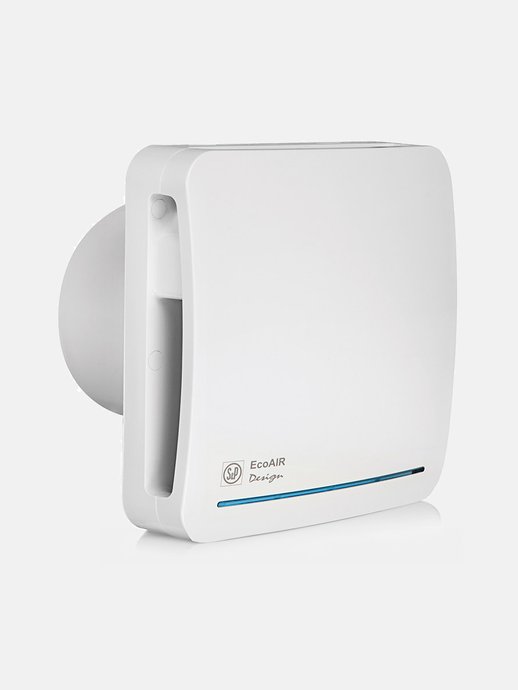
A single-flow mechanical ventilation system remains the most affordable option for your home. A motorised unit extracts stale air from damp rooms via extraction vents connected to ducts, creating a negative pressure that naturally draws fresh air in through grilles in the living areas. The extracted air is discharged outside without heat recovery.
This system consumes just 15 W and is ideal for renovations thanks to its compact design. Its affordable price makes it an ideal solution for all budgets.
Dual-flow mechanical ventilation: optimal performance and comfort
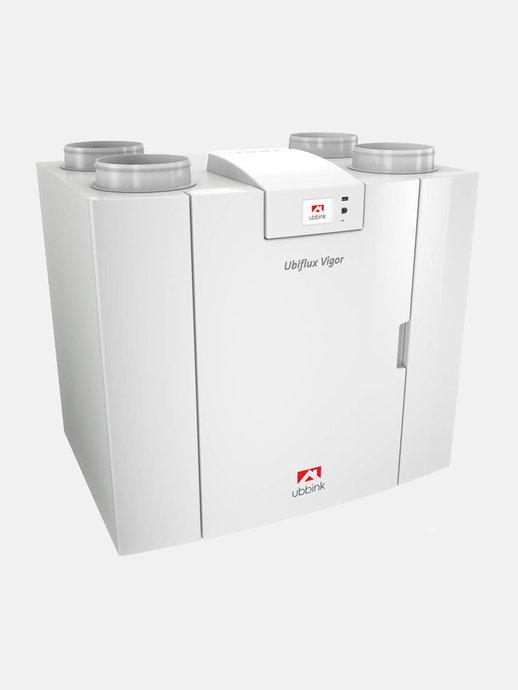
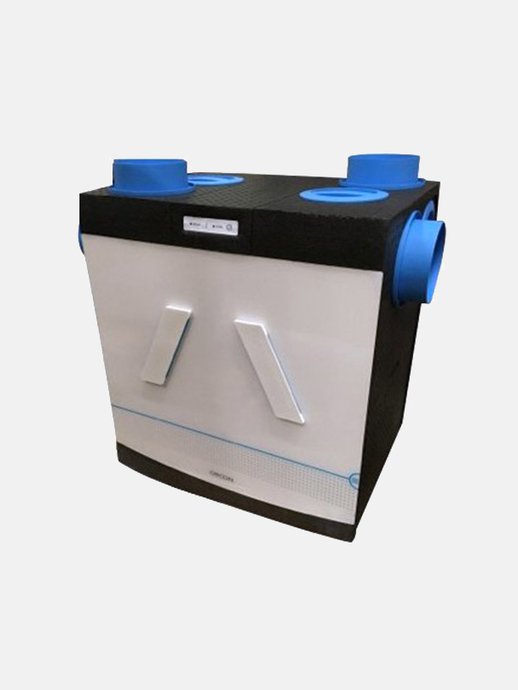
The dual-flow CMV system recycles up to 90% of the heat from the extracted air to warm the incoming air via a heat exchanger. The temperature of the supply air remains above 10°C, ensuring your comfort. The incoming air is filtered, removing pollen, spores, mould and fine particles.
This performance comes at a cost: 40 W of power consumption, compared with 15 W for a single-flow system. Maintenance involves changing the filters every six months.
Humidity-controlled mechanical ventilation: smart technology for energy savings
The humidity-controlled ventilation system automatically adjusts its airflow to the humidity level in your home. Type A controls only the exhaust vents, whilst Type B also controls the air inlets. This intelligent control system reduces heat loss by up to 50% during periods of low occupancy and lowers your heating bill by 15%.
Make the right choice for your situation
For a renovation, opt for a Type A humidity-controlled single-flow CMV system, which minimises the amount of building work required. In a well-insulated new-build home, a humidity-controlled Type B or dual-flow CMV system will maximise your energy savings. Your choice will depend on your budget, the existing insulation and your energy efficiency targets.
Additional steps to protect your furniture from steam
Arrange your furniture sensibly
Move your heavy furniture a few centimetres away from the wall. This simple measure improves air circulation in the room and reduces the risk of condensation. Air can then circulate freely behind the furniture, maximising the efficiency of your bathroom ventilation system.
Add some moisture absorbers
The dehumidifier operates silently and uses no energy. These hygroscopic salts, such as calcium chloride, naturally absorb excess moisture when the humidity level exceeds 65%. Maintain a humidity level between 40% and 60% for optimal comfort at 20°C.
Air the room every day
Open your windows wide for 5 to 10 minutes, two or three times a day. This natural ventilation refreshes the indoor air with oxygen and quickly removes unwanted substances. It perfectly complements your mechanical ventilation system.
Protect your wooden furniture
Apply protective oils to your wooden furniture. These treatments create an effective barrier against moisture, which is particularly useful in rooms where humidity levels remain high. A stable humidity level of between 40% and 60% protects the wood from warping.
Keep an eye on the humidity
Install a hygrometer to measure the moisture content in the air. Monitoring this regularly will help you take appropriate action and maintain a healthy environment for your furniture.
Protect your furniture for the long term
A mechanical ventilation system is your best defence against damp damage. This solution effectively removes water vapour and maintains the air quality in your home.
Combine this with a few simple steps: arrange your furniture strategically, air the room regularly and treat the wood with protective oils. Keep an eye on the humidity levels to maintain a healthy environment.
This will ensure that your items retain their beauty and durability for years to come. A preventive approach that protects your investment and your comfort.
Frequently asked questions
Q1. What are the best ways to protect furniture from damp?
There are several effective ways to protect furniture: position it a few centimetres away from the walls to encourage air circulation, use dehumidifiers in the relevant rooms, treat the wood with protective oils that create a barrier, and maintain a stable humidity level between 40 and 60%. Installing a mechanical ventilation system is also a sustainable solution for continuously removing water vapour.Q2. Is a mechanical ventilation system effective at removing damp from a home?
Yes, a mechanical ventilation system is very effective. It continuously removes damp, polluted air from wet rooms via a system of extraction vents connected to a motorised extractor fan. This system renews the air 24 hours a day, removing up to 10 litres of water vapour produced daily by a family of four. Mechanical ventilation tackles the root of the problem by constantly renewing the air, unlike dehumidifiers which only treat the symptoms.Q3. How can I prevent mould from forming on furniture?
To prevent mould from appearing, it is essential to ensure good air circulation in every room. Air the rooms daily for 5 to 10 minutes by opening the windows wide, ensure that air vents are not blocked, and install a mechanical ventilation system to maintain a constant air exchange. Position your furniture away from the walls and keep the humidity level between 40 and 60% to prevent the growth of mould.Q4. What natural solution can be used to reduce humidity in wardrobes?
Natural moisture absorbers such as charcoal or hygroscopic salts (calcium chloride) are very effective. These silent solutions do not consume any energy and naturally absorb excess moisture when humidity levels exceed 65%. Place a few pieces of charcoal in a ventilated container inside your wardrobes to significantly reduce the humidity level.Q5. What type of CMV should you choose to protect your furniture effectively?
The choice depends on your home and your budget. A single-flow humidity-controlled CMV system is an excellent compromise: it automatically adjusts its airflow according to humidity levels, can save up to 15% on heating costs and is easy to install during renovation work. For a well-insulated new-build home, a dual-flow system offers better energy efficiency by recovering up to 90% of the heat from the extracted air, whilst filtering the incoming air.