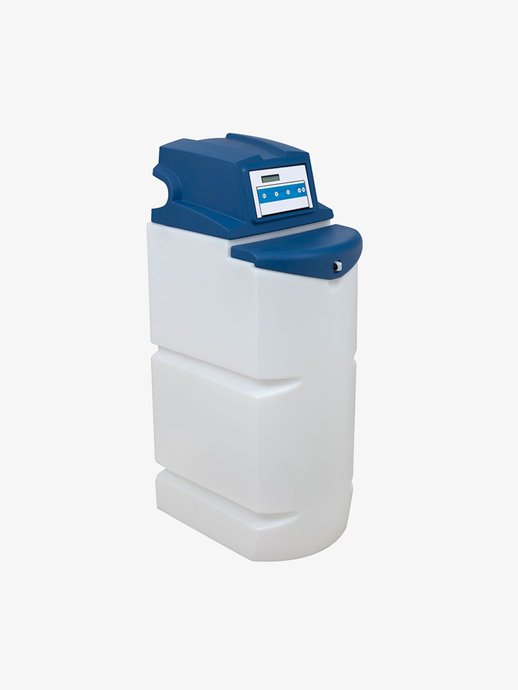
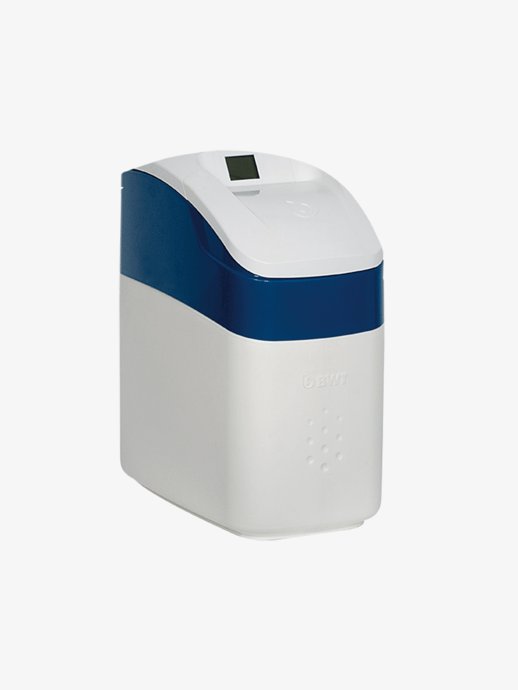
Salt-based water softener vs salt-free water softener: a full comparison

Choosing the right water softening system for hard water requires careful consideration. Hard water, rich in calcium and magnesium, begins to cause issues once it exceeds 1 grain per gallon. From 250ppm onward, installing a water softener is strongly recommended to protect appliances and improve everyday comfort.
Two main technologies dominate the market. Salt-based water softeners, the most widespread and effective solution against limescale, work through ion exchange: water flows through a sodium-charged resin that captures calcium and magnesium. Salt-free systems, on the other hand, adopt a different approach by preserving the chemical composition of the water.
Environmental impact also plays a key role. Traditional systems consume significant amounts of water during resin regeneration, discharge brine into wastewater, and rely on industrial salt. CO₂ water softeners offer a more environmentally friendly alternative, especially when the CO₂ comes from industrial recycling.
This detailed comparison helps you gain clarity. Discover which softening solution best matches your situation: water hardness, available space, maintenance constraints, and environmental priorities.
Technical comparison: salt-based vs salt-free water softeners
The fundamental technical difference between these systems lies in how they treat limescale. Each approach has specific characteristics worth examining.
Limescale removal vs transformation
Salt-based water softeners actually remove limescale from the water. Ion exchange replaces calcium and magnesium ions with sodium ions. Salt-free systems, by contrast, transform limescale so it no longer adheres to surfaces. This distinction explains why salt-based systems generally deliver superior protection against scale deposits.
Technologies used: resin, CO₂, magnetic systems
Salt-based softeners rely on ion-exchange resins, small beads that capture hardness-causing minerals. These resins are periodically regenerated using a saltwater solution.
Salt-free systems use several distinct technologies:
- CO₂ systems: inject carbon dioxide to form carbonic acid, converting calcium carbonate into more soluble calcium bicarbonate
- Magnetic devices: alter the crystalline structure of limescale using a magnetic field, reducing its adhesion
- Catalytic conditioners: special filter media that modify limescale structure without removing it
Effectiveness based on water hardness
Performance varies significantly depending on water hardness levels.
For very hard water (above 30°TH), salt-based softeners remain essential, achieving near 100% limescale removal under optimal conditions.
Salt-free systems, especially CO₂ solutions, maintain satisfactory performance up to around 25°TH. Beyond that point, efficiency decreases.
Magnetic systems are best suited for slightly to moderately hard water (up to 20°TH), with more variable results.
Salt-based water softeners remain the technical reference, but salt-free alternatives continue to improve, offering attractive solutions for households looking to reduce salt usage or environmental impact.
Practical advantages and usage constraints
Technical specifications alone are not enough. Everyday constraints play a decisive role in choosing the solution best suited to your home and lifestyle.
Installation and space requirements
- Salt-based softener: requires significant space (at least 1 m²) for the unit and salt tank, as well as easy access for regular refilling.
- Salt-free systems: compact models (magnetic or CO₂) designed for small spaces, easily installed in a cupboard or under a sink.
- Adaptability: while salt-based systems can be restrictive in apartments, salt-free technology is ideal for homes without a basement or utility room.
Maintenance: frequency and complexity
Salt-based softeners need refilling every 2 to 3 months depending on water consumption, plus annual resin cleaning to maintain optimal performance. These tasks are simple but require consistency.
Salt-free systems are easier to maintain. Only CO₂ models require cartridge replacement, typically every 6 months.
Autonomy and system lifespan
- Salt-based softener: average lifespan of 10-15 years, with resin replacement possible after 8-10 years of intensive use.
- CO₂ softener: excellent durability despite the need for regular cartridge replacement.
Health, taste, and water quality in everyday life
From your morning coffee to your evening shower, softened water affects daily comfort and well-being.
Drinking water: sodium and health considerations
Salt-based softeners replace calcium and magnesium with sodium. This can be an issue for people with hypertension or those on low-sodium diets, medical advice is recommended before installation. Salt-free systems such as CO₂ softeners preserve the natural mineral composition of water without adding sodium.
Water taste: natural or altered
Water treated by salt-based systems may develop a slightly salty taste, particularly noticeable in tea or coffee. Salt-free systems preserve the original taste. CO₂ softeners maintain water flavor while reducing the effects of limescale.
Effects on skin, laundry, and appliances
Both technologies deliver tangible daily benefits. Skin feels softer after showering, without the tight sensation caused by limescale. Laundry detergent use can be reduced by up to 50%, extending fabric lifespan. Household appliances also benefit from reduced descaling and longer service life. Salt-based softeners provide more comprehensive protection in very hard water areas.
Which water softener for which user profile?
Every household has specific needs. Here are our recommendations.
Large families or heavy water usage
If your household consumes more than 200 liters of water per day, a salt-based softener is the most suitable solution. Its high treatment capacity and effectiveness against very hard water make it ideal for large families.
With a built-in bypass, untreated water remains available for garden watering or specific uses.
Small homes or moderately hard water
If your water hardness ranges between 15°TH and 25°TH, salt-free systems are an attractive alternative. Compact and easy to integrate under sinks or in cupboards, they strike the right balance between efficiency and practicality in limited spaces.
Environmentally conscious users
If environmental protection is a priority, choose salt-free technologies. These systems consume less water and avoid saline discharge into wastewater. Magnetic devices offer the lowest ecological footprint.
CO₂ water softener: who is it for?
This technology is ideal for households seeking a balance between performance and sustainability. CO₂ softeners operate without regular maintenance and reduce limescale without adding sodium, perfect for users concerned about health and environmental impact.
Practical system comparison
| Features | Salt-based water softener | Salt-free water softener |
| Operating principle | Ion exchange with resins (limescale removal) | Limescale transformation (CO₂, magnetic, or catalytic) |
| Maximum efficiency | Up to 100% (even >30°TH) | Variable depending on technology:
|
| Space requirement | Large (≥1 m²) | Compact, reduced footprint |
| Maintenance |
|
|
| Impact on taste | Possible slight salty taste | Preserves natural taste |
| Sodium addition | Yes | No |
| Average lifespan | 10–15 years |
|
| Best suited for |
|
|
| Environmental impact | Higher (water consumption, saline discharge) | Reduced |
Choosing your water softener: a matter of specific needs
Your final choice depends on your priority: maximum performance or environmental responsibility. Salt-based softeners remain the absolute reference for very hard water (>30°TH) and large households, despite regular maintenance every 2-3 months. Conversely, salt-free systems (CO₂, magnetic) are ideal for small spaces and eco-conscious households, preserving water taste without adding sodium.
In terms of durability, magnetic systems outperform others with lifespans exceeding 20 years. Regardless of the system, water softening delivers immediate benefits: appliance protection, reduced cleaning product usage, and improved skin comfort. Accurately assess your water hardness to install the most cost-effective solution for your home.
Frequently asked questions
Q1. What is the main difference between a salt-based and a salt-free water softener?
Salt-based softeners remove limescale by replacing calcium and magnesium ions with sodium ions. Salt-free softeners transform limescale to prevent adhesion without altering the chemical composition of the water.Q2. Which softener is most effective for very hard water?
For very hard water (above 30°TH), salt-based softeners remain the most effective solution, offering near-total limescale removal under optimal conditions.Q3. Are salt-free water softeners really effective?
Salt-free softeners are effective for moderately hard water (up to 25°TH for CO₂ systems). They reduce limescale-related issues but do not remove most hardness-causing minerals.Q4. What are the maintenance advantages of salt-free systems?
Salt-free softeners generally require less regular maintenance. They do not need salt refills, and magnetic systems can operate for many years with minimal intervention.Q5. How should you choose between salt-based and salt-free softeners?
The choice depends on water hardness, available space, environmental concerns, and specific needs. Salt-based systems are best for very hard water and large households, while salt-free solutions suit small spaces and environmentally conscious users.