How do you create a spa-style bathroom at home?

Key points:
A spa-style bathroom is based on four key elements: 1. Water first (rain shower, freestanding or whirlpool bath, thermostatic taps).
2. Next, the atmosphere (layered lighting, natural materials such as stone, teak and marble, and a soft colour palette).
3. Finally, thermal comfort (underfloor heating, heated towel rails, floors that stay warm underfoot).
4. And controlling humidity, which is essential in Belgium to ensure that all this lasts.
Allow for at least 5 m² to achieve the full effect, 8 m² to fit both a bath AND a shower, and a budget of €8,000 to €20,000 depending on the fittings. Facq is here to help at its 17 EXPOcentres across Belgium, offering a free, no-obligation consultation.
What exactly is a ‘spa-style’ bathroom?
The word ‘spa’ brings to mind large spa resorts, with their swimming pools and saunas. But when applied to the home, it means something simpler: a room that appeals to the senses in a positive way. There is warm lighting, the sound of water trickling gently, pleasant textures to touch, and a subtle scent. A far cry from the classic functional bathroom, lit by a single ceiling light, tiled in glossy white and furnished in a hurry.
A common mistake is to think you have to rip everything out and buy it all new. In reality, the ‘spa effect’ comes down to a few well-chosen decisions. A rain shower head alone can transform your morning routine. Thermostatic taps eliminate that icy blast that jolts you awake. Lighting on two circuits can transform the room in an instant. You can start there and build on it later.
Before we talk about fittings, a fundamental question: this style is part of a wider family of soothing bathrooms. If you’re still torn between spa-inspired, wabi-sabi or biophilic styles, and want to base your project on your actual floor space first, start with our comprehensive guide.
Which bathroom suits your style and space?
Water: the heart of the matter – showers, baths and taps
In a spa, everything revolves around water – the sight of it, the sound of it, its temperature. That is therefore where the focus should lie.
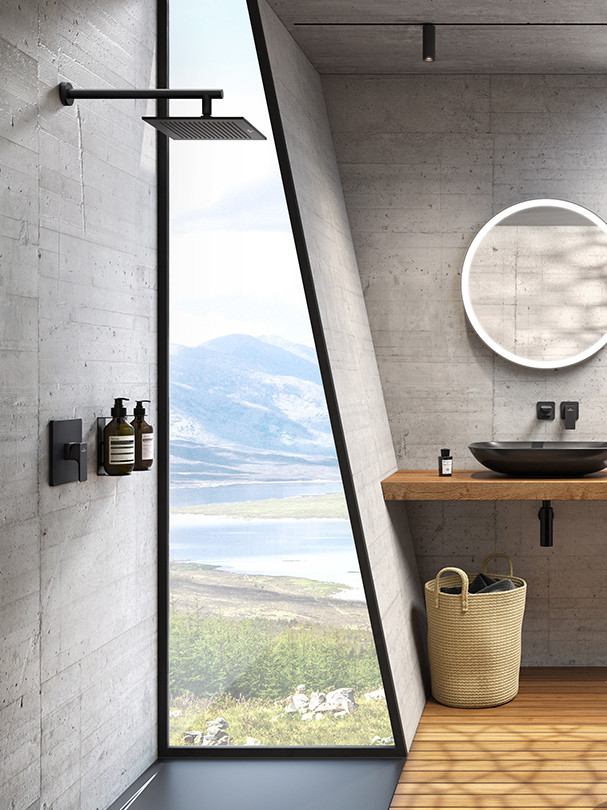
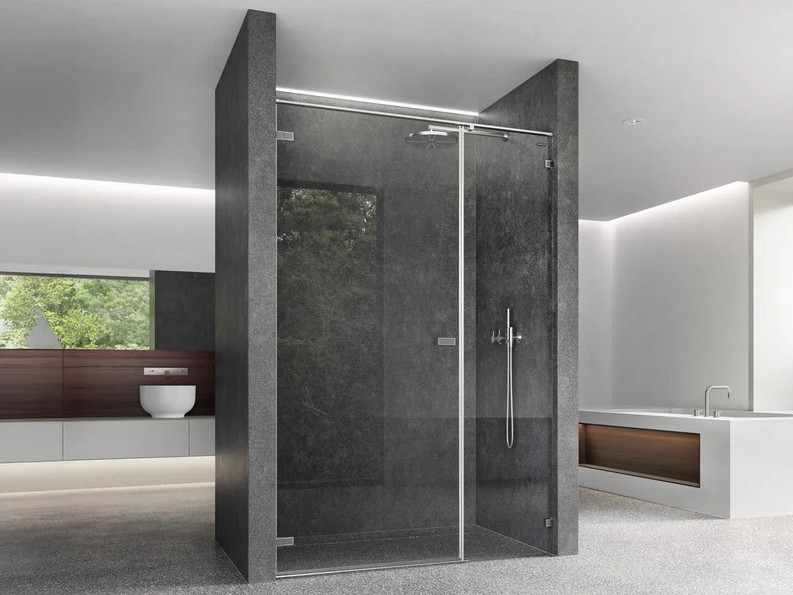
The walk-in shower and the rain shower head
The detail that makes all the difference: add a hand shower as an extra. The rain shower for relaxation, the hand shower for rinsing off or cleaning the shower screen. And fit it all to a thermostatic mixer tap.
The freestanding bath or spa bath
If you enjoy taking baths, a freestanding bath placed in the centre of the room (or set slightly back from a wall) becomes the centrepiece. It defines the space like a sculpture. To take it a step further, a whirlpool bath adds hydromassage jets: this is the closest you can get to a spa treatment. Allow at least 8 m² to ensure a freestanding bath has room to breathe without overwhelming the rest of the room.
Short on space? A well-chosen bath-and-shower combination, with a clear glass screen and good-quality taps, goes a long way. Our dedicated guide will help you make the right choice based on your space and preferences.
Thermostatic taps
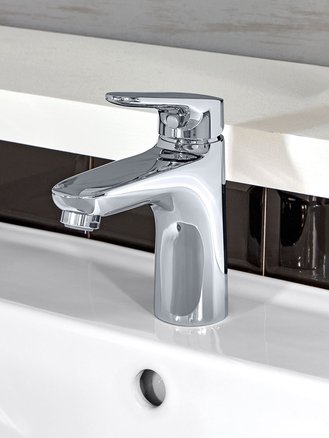
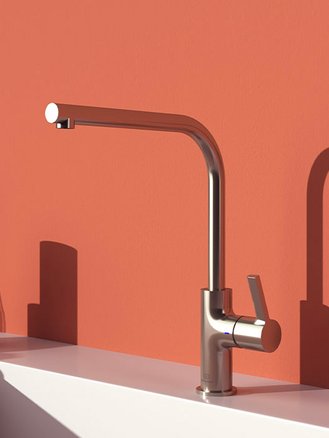
It’s the small investment that offers the greatest return. A thermostatic mixer tap delivers water at the preset temperature, without the need to fiddle with the hot and cold controls. For that spa-like feel, we also look for a sense of calm: a waterfall-style mixer tap at the washbasin, a consistent metallic finish (brushed brass, matt black, copper). In Belgium, given the hardness of our water, a PVD finish is significantly more resistant to limescale than traditional chrome plating.
The atmosphere: lighting, materials, colours
Once the water is sorted, it’s the atmosphere that transforms the room into a spa. And at that point, the budget matters less than the choices you make.
Layered lighting
A single ceiling light flattens everything and kills the atmosphere. The principle behind a spa is multi-layered lighting, on separate circuits. A sharp spotlight around the mirror for shaving or applying make-up. Soft, low ambient lighting for evening baths. Accent lighting that highlights a niche, a stone wall or the bath. A dimmer switch allows you to switch between them depending on the moment.
Bear in mind the regulations: in Belgium, each area of the bathroom has a specific protection rating. In the shower or above the bath, you need fixtures designed to withstand damp (minimum IP44 in zone 2, and a higher rating closer to the water). This isn’t just some abstract regulatory detail; it’s what ensures a light fitting lasts rather than rusting away within two years.
Natural materials
A simple rule to avoid clutter: no more than three distinct materials in the room. Any more than that, and the eye doesn’t know where to rest, and the sense of calm is lost.
The colour palette
The spa features soft, earthy tones: off-white, sand, beige, greige, sage green and slate blue-grey. We steer clear of clinical pure white and harsh contrasts. The aim isn’t to avoid colour altogether, but to create a sense of calm depth. An accent wall in sage green behind the bath, with the rest in light shades: that’s all it takes to set the mood.
Element | A choice that creates a spa-like effect | To be avoided |
| Light | Three circuits, dimmer switch, warm white | A single ceiling light, cool white |
| Materials | Stone, teak, marble, large-format porcelain stoneware | Shiny plastic, too much material |
| Colours | Off-white, sand, sage, slate | Clinical white, stark contrasts |
| Accessories | A single metallic finish | Mismatched finishes |
Thermal comfort: the Belgian touch that makes all the difference
This is the point that most articles overlook, and yet it is what distinguishes a nice photo from a genuine experience. In a spa, you’re never cold. At home in Belgium, that’s the whole challenge.
Underfloor heating makes a real difference: stepping out of the shower onto warm tiles is exactly the feeling you’re looking for. In renovation projects, slimline dry systems can be installed without having to tear everything out, at around €50 to €80 per square metre. For the bathroom alone, electric heating is suitable as a supplementary system, given the small floor area.
A towel warmer completes the picture: a warm towel waiting for you when you step out of the bath is a small luxury that doesn’t cost the earth. And it serves a dual purpose by providing extra heating for the room. Our dedicated guide will help you choose the right model for your space.
Go one step further: Turkish bath, sauna and chromotherapy
For those who want the full experience, some facilities really do recreate the spa atmosphere.
The hammam, or wet steam bath, is the most iconic. It requires a fully watertight, tiled room, effective steam management, and a slightly sloping ceiling to prevent cold droplets from falling on your head. Allow for around 1.5 to 2 m² per person and a dedicated power supply, as the steam generator consumes between 3 and 7 kW. A prefabricated cabin can be fitted into an existing bathroom provided there is 6 m² available. The critical issue, once again, is moisture extraction: without proper ventilation, the steam will cause damage all around.
A sauna, on the other hand, is dry and easier to manage in terms of humidity, but it requires space and good insulation. In a bathroom, a small infrared cabin for one or two people remains the most practical solution.
Chromotherapy and aromatherapy complete the sensory experience: colour-changing LED lighting in the shower or bath, an essential oil diffuser – and you can really feel the benefits of the treatment.
Controlling humidity: the key to everything else
Let’s emphasise this, because it’s the number one pitfall. A spa bathroom is, by definition, a room where there is a lot of water and steam. In Belgium, where the climate is already humid, inadequate ventilation ruins the whole project: mould in the grouting, wood swelling, paint blistering, plants dying.
Effective mechanical ventilation is therefore not an option, but a fundamental requirement. It protects your building materials, keeps the air healthy, and allows natural finishes to age gracefully rather than deteriorate. Consider this right from the design stage, not after the first signs of damage have appeared.
Where to start, depending on your budget
You don’t have to do everything at once. Here’s a list of priorities, from the most cost-effective to the most ambitious.
If you’re on a tight budget, focus on the touches that transform the experience without major work: thermostatic taps, a rain shower head, a dimmer switch for the lighting, accessories in a single finish, and one or two well-chosen natural materials. You’ll stay under a thousand euros and the atmosphere will already feel completely different.
If you’re working with a mid-range budget, add a walk-in shower, underfloor heating and proper layered lighting. This is the level at which the room truly becomes a ‘spa’ for everyday use.
If you have a generous budget, consider incorporating a freestanding bath or a spa bath, or even a steam room, and opt for premium materials (marble, natural stone). That’s the full experience.
Frequently asked questions
Q1. What is the minimum floor area required for a spa bathroom?
Five square metres is all you need to create a genuine spa-like atmosphere, provided you opt for a walk-in shower, a uniform finish and tasteful lighting rather than cramming the space full of fixtures. To fit in both a separate bath and shower, you’ll need around 8 m², which is the Belgian average. A steam room requires around 6 m², which you can set aside for this purpose.Q2. How much will a spa bathroom cost in Belgium in 2026?
It all depends on the fittings. A minor refurbishment (thermostatic taps, rain shower, lighting, materials) will cost under €2,000. A full 8 m² spa-style bathroom with a walk-in shower, bath and underfloor heating will cost between €9,000 and €15,000, including installation. With a steam room and high-end materials, the cost exceeds €18,000. Always allow for a 10–20% margin for unforeseen costs, particularly the relocation of pipes.Q3. Is it possible to create a spa-like atmosphere without major building work?
Yes, and that’s actually the perfect place to start. Replacing the shower head with a rain shower, fitting a thermostatic mixer tap, installing a dimmer switch, adding a teak shower tray and coordinating the finishes of the fittings: these changes don’t involve any major plumbing work, yet they already transform the experience. You keep the existing fixtures and take the overall feel up a notch.Q4. What materials should be used for a long-lasting spa-style bathroom in Belgium?
Opt for materials that can withstand our hard water and humidity: large-format stone-effect porcelain stoneware (few joints, easy to maintain), treated teak or bamboo for wooden elements, marble-effect composites that are more durable than natural marble, and taps with a PVD finish. Natural stone is still an option but requires regular water-repellent treatment.Q5. Is it realistic to have a hammam at home in a standard bathroom?
Yes, with a prefabricated cabin and a bit of space (around 6 m²). The two key issues to sort out first and foremost are: a dedicated power supply for the steam generator, and, above all, a proper humidity extraction system. Without this ventilation, the steam will eventually damage the entire room. It’s best to consult an expert right from the design stage.