How do you choose your next heat pump?

How does a heat pump work?
A system that harnesses free energy
A heat pump recovers thermal energy from the air, ground or water to heat your home. This clever principle reverses the natural process of heat transfer. The system works using a refrigerant that circulates in a closed circuit and changes state depending on the temperature.
We explain this process in four simple steps:
- Evaporation: The fluid absorbs heat from the surroundings and turns into vapour
- Compression: An electric compressor increases the pressure and temperature of this steam
- Condensation: Hot steam transfers its energy to your heating system and turns back into liquid
- The expansion valve: An expansion valve reduces the pressure to cool the liquid and restart the cycle
Only the compressor uses electricity. An efficient heat pump produces up to three times as much heat as it consumes in electricity. This isn’t just good for the environment, but for your wallet too!
Three natural energy sources at your disposal
Heat pump systems draw their energy from three free sources. Air-source heat pumps utilise the heat from the outside air. Ground-source heat pumps capture heat from the ground, where the temperature remains stable between 7 and 13°C all year round. Water-source heat pumps harness energy from groundwater.
These remarkable systems use 75% free energy from the environment. The remaining 25% comes from the electricity used by the compressor. In practical terms, for every 1 kWh of electricity consumed, you get 3 to 4 kWh of heat.
Long-term savings for your home
A heat pump conserves natural resources by avoiding the use of fossil fuels. CO2 emissions remain very low compared to traditional boilers, with no NOx emissions. Please note, however: your home’s insulation plays a crucial role. A poorly insulated home will require a more powerful heating solution, which increases installation and running costs.
The coefficient of performance indicates how efficient your system is. The higher this figure, the less energy your pump uses to produce heat. A properly designed system in a well-insulated home can reduce your energy consumption by a factor of four to five compared to a conventional boiler.
Discover the systems we have selected for you
We can help you identify the technology best suited to your needs. Each system offers specific benefits depending on your home and your energy usage patterns.
The air-to-water heat pump: versatile and practical
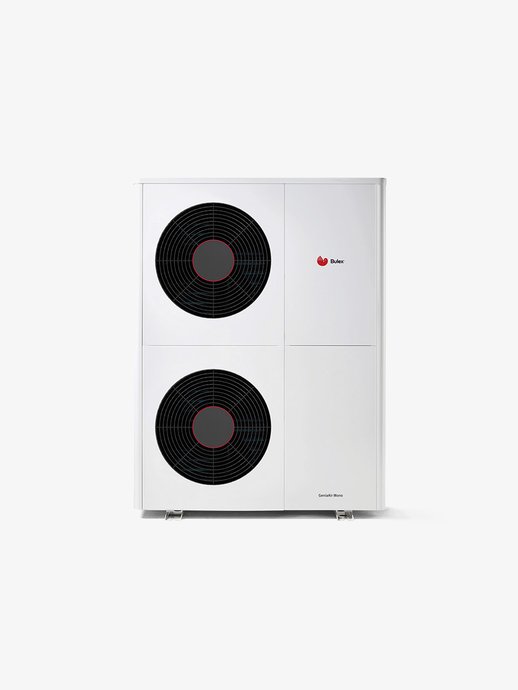
This solution harnesses energy from the outside air to power your existing central heating system. You can keep your radiators or underfloor heating whilst easily replacing your old gas or oil boiler. Several models also provide domestic hot water.
The coefficient of performance ranges from 3 to 4 depending on weather conditions.
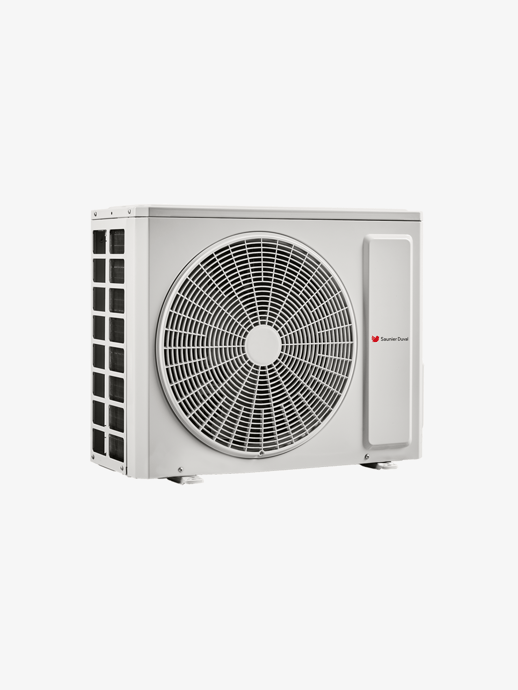
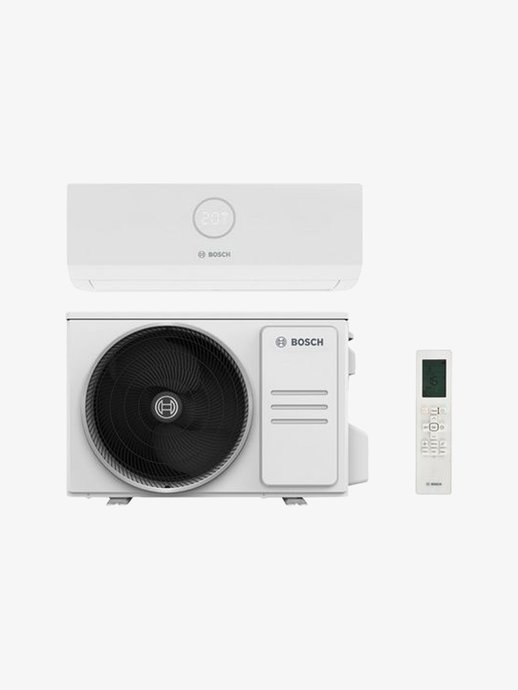
The air-to-air or reversible heat pump: comfort all year round
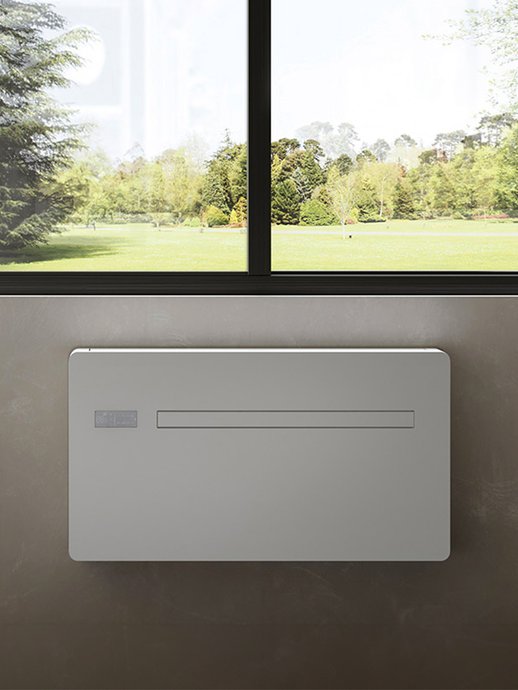
Also known as reversible air conditioning, it distributes heat directly via wall-mounted units or floor-standing units. It is a cost-effective replacement for your electric radiators, with a coefficient of performance that generally exceeds 3. Please note: this system does not produce domestic hot water.
This function reverses the cycle to cool your home during the summer. Air-to-air models provide full air conditioning, whilst air-to-water versions offer gentle cooling via underfloor heating. A comprehensive solution for your comfort all year round.
The geothermal heat pump: maximum performance
Horizontal collectors require a plot of land 1.5 to 2 times the size of the area to be heated. Vertical boreholes are drilled to a depth of between 150 and 200 metres. This system boasts a remarkable coefficient of performance of between 4 and 5, which is higher than that of other technologies.
The hybrid heat pump: intelligence and adaptability
This smart system combines a heat pump with a gas condensing boiler. The control system automatically selects the most economical energy source based on the outside temperature. This allows you to make savings of up to 40% compared to a conventional boiler.
Choose a heat pump that suits your actual needs
Accurate sizing calculation determines your long-term savings. We help you identify the key factors to ensure you make the right choice.
Check the coefficient of performance and thermal insulation
The COP indicates the ratio between the heat produced and the energy consumed. A pump with a COP of 3.5 provides 3.5 kWh of heat for every 1 kWh of electricity. Values generally range between 3 and 5, depending on the technology. This coefficient decreases when outdoor temperatures drop or when the temperature difference with the flow temperature increases.
Good insulation means you can install a less powerful system. High-performance insulation reduces your energy requirements and improves overall efficiency.
Adapt to your heating system
Your high-temperature radiators require water at a temperature of between 55 and 70°C. Low-temperature models operate at between 45 and 55°C. To keep your old cast-iron radiators, opt for a high-temperature or hybrid heat pump.
Make the most of it with underfloor heating
The underfloor heating operates using water at a temperature of between 35 and 45°C, the ideal temperature for maximising the COP. This combination saves you up to 12% on your bills.
Assess your domestic hot water requirements
The production of domestic hot water reduces efficiency as it requires a minimum temperature of 55°C. A separate thermodynamic water heater maintains the efficiency of your heating system. Average consumption is 25 litres per person per day at 60°C.
Financial assistance in Belgium
Buying a heat pump is a significant investment, but the long-term savings and available grants make it a financially attractive option. We can help you understand the financial assistance you are entitled to.
Costs by technology
An air-to-air heat pump is generally the most affordable option to purchase and is well suited to homes requiring heating and cooling in a single unit. Air-to-water systems require a more substantial investment, particularly when they supply a radiator circuit or underfloor heating. Hybrid models, which combine a heat pump and a boiler, fall into an intermediate price range depending on the chosen configuration. Geothermal energy remains the most expensive technology, due to the specific ground-source work and installation required.
Installation costs to be expected
Work involving a geothermal heat pump is among the most technically demanding, as it may require drilling or extensive earthworks. For a standard home, site preparation accounts for a significant proportion of the overall budget. The length of the pipework, the complexity of connecting to the existing heating system and the number of sanitary outlets to be supplied also influence the final cost of the installation.
Grants: take advantage of regional support
Good news! Financial assistance schemes are available to help cover the cost of installing a heat pump, whether for domestic hot water or for heating. The level of support varies depending on the household’s circumstances, the type of equipment installed and the relevant income bracket. A preliminary audit or certain administrative procedures may be required before submitting an application. It is therefore advisable to check the conditions in force at the time of the project with the relevant authorities.
For further information, please feel free to contact a FACQ professional directly at the EXPOcenter.
The right choice for your comfort and savings
Choosing a heat pump that suits your needs will ensure years of comfort and energy savings. We have outlined the key factors you need to make an informed decision.
Your situation is unique: the size of your home, the level of insulation and the existing system all determine the best solution. A properly sized system ensures efficient operation.
Regional financial support makes this investment more affordable. Take advantage of these opportunities to improve your comfort whilst reducing your energy consumption for the sake of the environment!
Frequently asked questions
Q1. What is the difference between an air-to-water heat pump and an air-to-air heat pump?
The air-to-water heat pump connects to the existing central heating system (radiators or underfloor heating) and can provide domestic hot water. The air-to-air heat pump distributes warm or cool air directly via wall-mounted split units and does not provide domestic hot water.Q2. How do I work out the required capacity for my heat pump?
The power required depends mainly on the size of the property, the level of insulation, the climate zone and the desired indoor temperature. The greater the heat loss from the property, the higher the power requirements will be. Accurate sizing carried out by a professional helps to avoid oversizing, which can reduce efficiency, increase the number of short cycles and raise energy consumption.Q3. What is the coefficient of performance (COP) of a heat pump?
The COP measures the ratio of heat produced to electrical energy consumed. A COP of 3.5 means that the equipment produces 3.5 kWh of heat for every 1 kWh of electricity consumed. Values generally range between 3 and 5, depending on the technology. This coefficient decreases as the outside temperature drops or as the difference with the flow temperature increases.Q4. What financial assistance is available in Belgium for the installation of a heat pump?
In Belgium, financial assistance may be available for installation, but this varies depending on the region concerned: Wallonia, Brussels-Capital or Flanders. Eligibility criteria generally depend on the type of equipment, household income, the energy performance of the property and the rules in force at the time of application. An energy audit or certain administrative formalities may also be required. It is advisable to check the official schemes specific to your region before starting the project.Q5. Why is home insulation important for a heat pump?
Good insulation reduces energy requirements and allows for the installation of a less powerful system, thereby lowering both installation and running costs. A poorly insulated home will require a high-powered pump, which will increase costs and reduce the system’s overall cost-effectiveness.