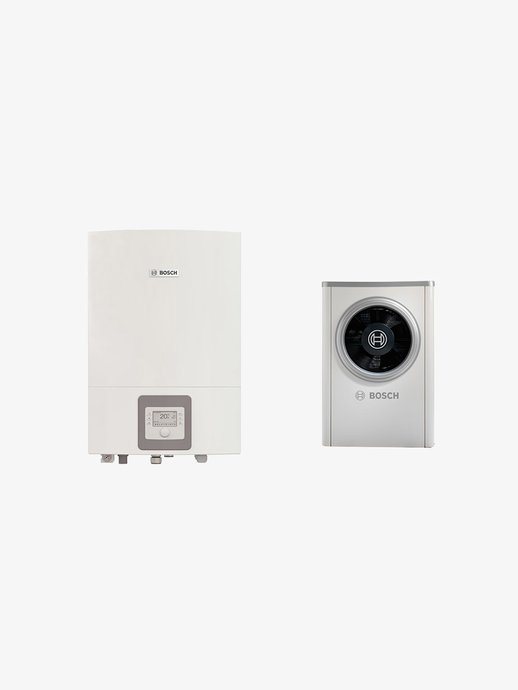
What equipment can be used in conjunction with a heat pump?

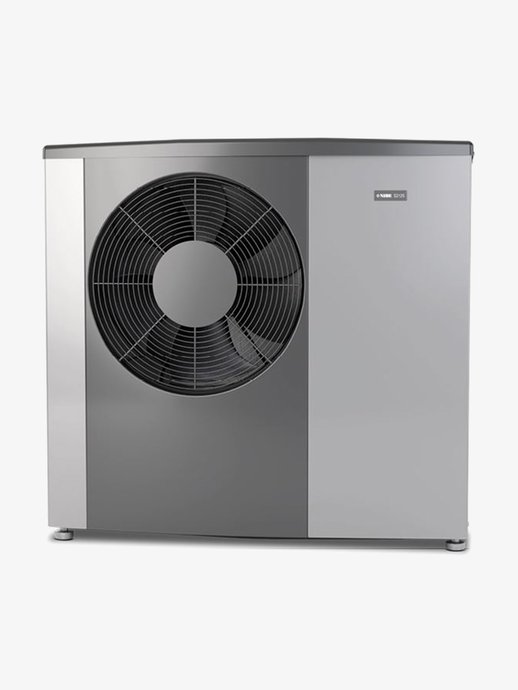
Optimise the performance of your heat pump by choosing the right equipment: you can achieve up to 60% energy savings whilst improving your daily comfort. This energy-efficient solution uses renewable sources to heat your home and provide your domestic hot water.
The secret to a successful installation? Pair your heat pump with the right systems. Low-temperature radiators, underfloor heating, fan coil units, thermodynamic water heaters and smart thermostats make for particularly efficient combinations. We can help you identify the compatible appliances for your system to ensure it runs as efficiently as possible.
Heat emitters compatible with a heat pump
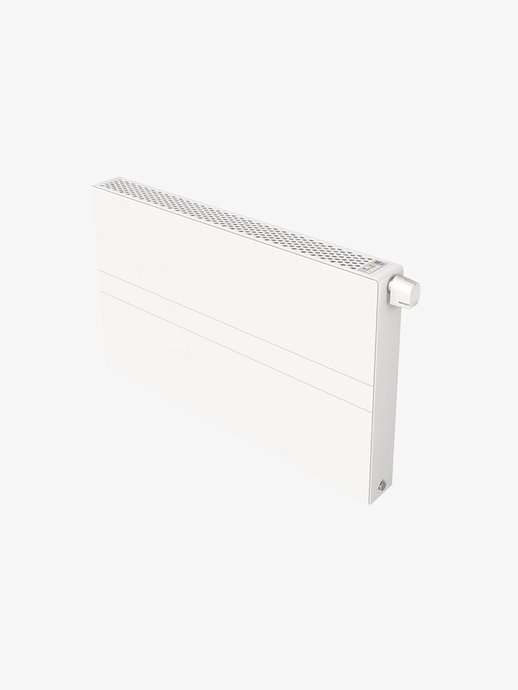
Your air-to-water heat pump is compatible with various types of radiators. Each solution has its own features, depending on your needs and the layout of your home.
Radiators: high and low temperature
There are two categories of radiators, depending on their operating temperature. High-temperature radiators require water between 70°C and 90°C, whilst low-temperature models operate with water between 40°C and 55°C. If you are keeping your current high-temperature radiators, choose a heat pump capable of reaching up to 70°C.
Low-temperature radiators can save you up to 30% on energy compared to a conventional radiator. The secret? A larger heat-exchange surface area that compensates for the lower temperature. However, these models take up more space and require effective insulation in your home. Steel, cast iron or aluminium: each material offers different performance in terms of heating speed and heat retention.
Underfloor heating
This solution is the perfect match for your heat pump. The underfloor heating operates at just 35°C, allowing your heat pump to achieve its optimum efficiency. The heat is distributed evenly throughout the room by radiation, without air movement or dust being stirred up.
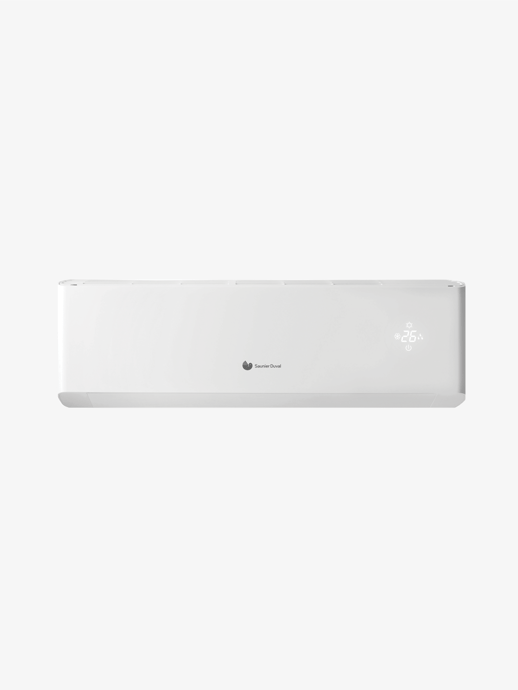
Fan coil units
These units distribute heat via a built-in fan. Their lower operating temperature improves energy efficiency. Their main advantage? Reversibility: when paired with a reversible heat pump, they heat in winter and cool in summer. The temperature rises quickly thanks to forced ventilation. Remember to clean the filters every month or every two months to maintain their efficiency.
Domestic hot water systems
Your heat pump also provides domestic hot water through a range of configurations tailored to your needs.
The thermodynamic water heater
This stand-alone system uses heat from the ambient air to heat your domestic hot water. With a coefficient of performance of 3 to 4 under standard conditions, it produces three to four times more energy than it consumes.
The impact on your budget? Significant. Compared to a standard electric water heater, a thermodynamic water heater can save you up to 70% on your annual energy bill.
The models feature tanks ranging from 200 to 260 litres, perfectly sized for a family of four to five. The stored water is kept at a low temperature, around 45°C, to minimise heat loss. An automatic cycle at 70°C is activated regularly to eliminate bacteria.
The built-in hot water tank
This 2-in-1 solution integrates the storage tank directly into the indoor unit of your heat pump. The water heats up quickly – on average within 2 hours – thanks to the system’s high coefficient of performance.
In summer, your heat pump operates under optimal conditions to heat the water tank with maximum efficiency. This setup saves a considerable amount of space by eliminating the need for separate equipment.
Control and monitoring equipment
Control your heat pump effectively with the right control equipment. These smart systems reduce your energy consumption whilst maintaining optimal comfort in every room.
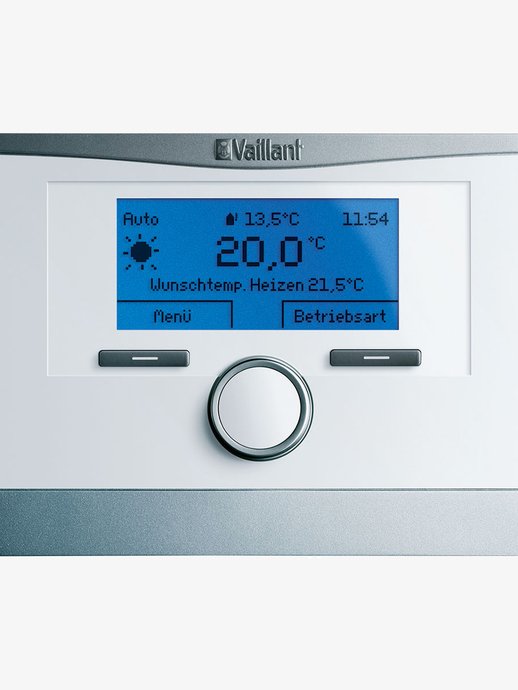
The smart thermostat for controlling the temperature
The smart thermostat automatically adjusts the temperature to suit your habits: room by room, hour by hour, day by day. This system constantly compares the actual temperature in your home with your programmed settings, adjusting the heating to maintain your desired comfort level. Control your system remotely from your smartphone or tablet using the dedicated app.
Your energy bill will be significantly reduced depending on the equipment you choose. Standard control systems can already help you save between 5% and 15% on your consumption. Smart models perform even better: they can deliver savings of up to 25% or even 30% on your kilowatt-hours.
Advanced features make your daily life easier. Geolocation detects when you are approaching your home and starts the heat pump automatically. Energy monitoring provides you with a detailed history of your temperature data.
Outdoor sensors to anticipate needs
This sensor continuously measures the outside temperature and transmits the data to your heating system. Install it on a north- or north-east-facing wall, 2 metres above the ground, away from any sources of heat or cold. This optimal position ensures accurate readings that anticipate changes in the weather before they affect your indoor comfort.
Smart management systems
These thermostats use predictive algorithms that analyse the temperature data from your home. They automatically determine the optimal settings based on the specific characteristics of each room. Some models coordinate the operation of your heat pump with your solar power generation.
Hybrid combinations and complementary systems
Maximise the efficiency of your heat pump by combining different energy technologies. These hybrid configurations offer greater flexibility and performance tailored to your specific needs.
Combining a heat pump with a boiler
The hybrid system combines a heat pump and a gas boiler. This solution combines renewable and fossil fuel sources to ensure continuous heating even during the coldest spells.
Keeping your existing boiler in good working order makes it easier to integrate a new heat pump. The hybrid kit automatically regulates the operation of both units, optimising energy costs according to outdoor conditions. The heat pump uses 75% free natural energy and only 25% electricity.
Combine with a solar panel system
This particularly cost-effective combination uses solar power to power your heat pump. Any surplus solar power generated is used to heat your home directly, thereby increasing your self-consumption.
The hot water tank stores surplus solar energy like a thermal battery. As a result, between 35% and 50% of your hot water needs are met by solar energy. This combination significantly reduces your reliance on the electricity grid.
Add a cooling system
Reversible heat pumps provide both heating and cooling depending on your heat emitters. Fan coil units are the ideal solution for making the most of this dual function.
Some hybrid systems incorporate air-to-air heat pumps, creating a comprehensive heating and cooling system for both summer and winter. This versatility transforms your system into a year-round solution.
The essentials for your heating system
Accessory equipment makes all the difference to your heat pump. Low-temperature radiators, underfloor heating, smart thermostats and thermodynamic water heaters are among the most effective combinations for improving the overall efficiency of your system.
By opting for low-temperature systems and smart control solutions, you reduce your energy consumption whilst enjoying greater comfort in your daily life. A well-designed installation also helps to extend the lifespan of your equipment and increase the value of your home in the long term.
To receive personalized advice, book an appointment with a Facq expert.
Frequently asked questions
Q1. What types of radiators can be used with a heat pump?
All water-filled radiators (cast iron, steel or aluminium) can be used with a heat pump, whether they are high-temperature (70–90°C) or low-temperature (40–55°C) models. Low-temperature radiators are particularly recommended as they consume up to 30% less energy whilst providing the same level of thermal comfort.Q2. Can a heat pump be combined with photovoltaic solar panels?
Yes, this combination offers significant benefits. The photovoltaic panels generate the electricity needed to run the heat pump, and any surplus energy can be used to heat domestic water. This combination allows solar energy to cover 35% to 50% of hot water requirements.Q3. What are the essential components for controlling a heat pump?
The main control components include a smart thermostat, which allows for remote control and delivers energy savings of 25% to 30%; outdoor sensors, which anticipate changes in weather conditions; and smart management systems, which automatically optimise operation according to the needs of each room.Q4. Why is underfloor heating ideal for use with a heat pump?
Underfloor heating operates at a low temperature (around 35°C), which maximises the efficiency of the heat pump, as it performs best at low temperatures. It distributes heat evenly across the entire floor surface, creating optimal comfort without air movement or dust circulation.Q5. What are the benefits of a thermodynamic water heater combined with a heat pump?
The thermodynamic water heater offers a coefficient of performance of 3 to 4, producing three to four times more energy than it consumes. It can deliver savings of up to 70% on the annual energy bill for a family of four.