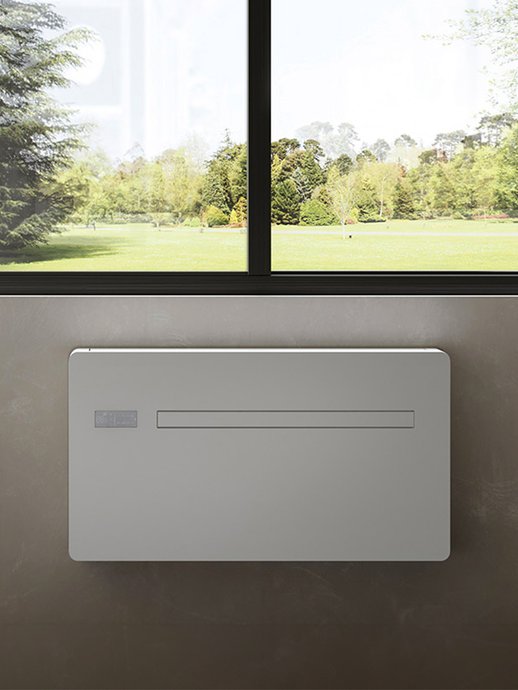
Reversible heat pump: heating and cooling all year round

How your reversible heat pump works
The refrigeration circuit consists of four key components that work together to transfer heat from one point to another. The evaporator absorbs heat, the compressor increases the fluid’s pressure, the condenser releases the heat, and the expansion valve reduces the pressure to restart the cycle.
Heating in winter: recovering heat from outside
The outdoor unit draws heat from the ambient air. The refrigerant circulates through the evaporator, where it absorbs this thermal energy and turns into a gas. This gas enters the compressor, which increases its pressure and temperature. The heated refrigerant then flows to the condenser located in the indoor unit.
The condenser transfers the accumulated heat to the heating system and turns the gas into a liquid. This heat is distributed throughout your home via the heating emitters: radiators, underfloor heating or fan coil units. The liquid refrigerant passes through the expansion valve, which reduces its pressure, allowing it to absorb energy from the outside air once again.
Summer cooling: removing heat from indoors
The process is reversed to cool the room. The indoor unit acts as an evaporator and absorbs heat from the room. The outdoor unit acts as a condenser and expels this heat outside. The refrigerant absorbs heat from the warm indoor air and releases it outside, thereby lowering the temperature in your home.
A versatile solution for your comfort needs
The reversible heat pump provides both heating and cooling with a single unit. This smart system adapts its operation to the season: it draws heat from outside to warm your home in winter, then reverses the process to remove heat from your home to the outside in summer.
How does this technology work?
The refrigerant forms the heart of this system. It circulates in a closed circuit and changes state depending on the temperature and pressure. As it evaporates, it absorbs thermal energy from the air, the ground or groundwater. The compressor then increases its pressure and temperature before releasing this heat at the condenser.
The innovation lies in the four-way reversing valve, which allows the direction of fluid flow to be reversed. This valve converts the evaporator into a condenser and vice versa, depending on whether you wish to heat or cool your home.
Two main technologies: air-to-air and air-to-water
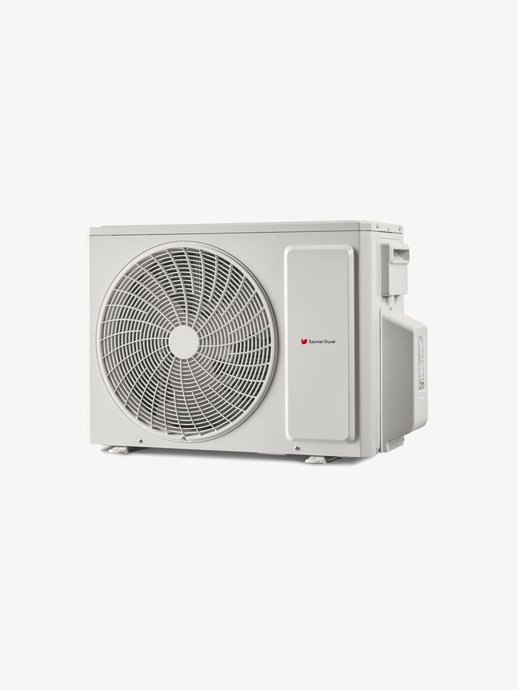
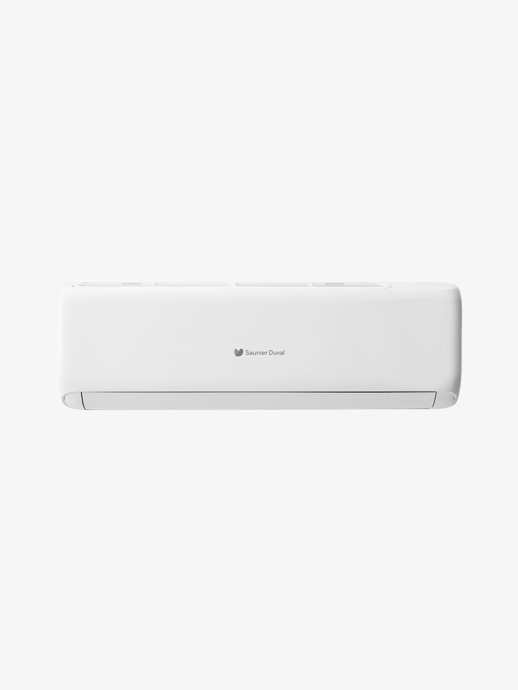
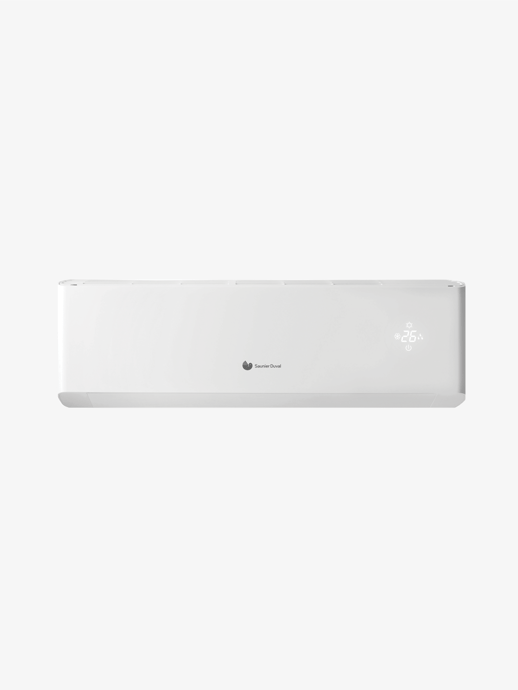
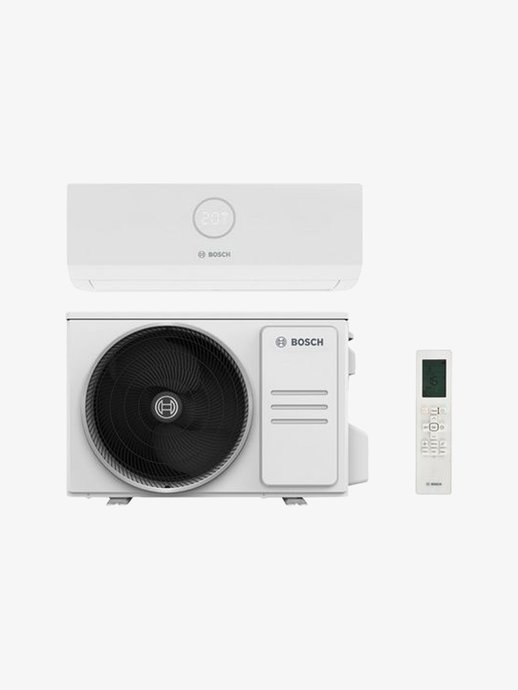
Air-to-air heat pumps directly distribute treated air into your rooms. These units consist of an outdoor unit and one or more indoor units, which may be wall-mounted, floor-standing or ducted. Particularly well-suited for cooling, they operate efficiently in both heating and cooling modes.
Air-to-water systems integrate with your existing heating system. They heat the water circulating through your radiators or underfloor heating. These systems can also provide domestic hot water and help to cool your home.
What distinguishes a reversible heat pump from an air conditioner
Do not confuse these two types of equipment. The reversible heat pump excels in heating mode thanks to its high coefficient of performance, whereas the air conditioner is primarily designed for cooling.
A reversible heat pump can produce hot water as well as treating the air, unlike a traditional air conditioner, which only treats the air. Furthermore, we refer to ‘cooling’ rather than ‘air conditioning’ when talking about heat pumps, as they provide a gentle and consistent feeling of coolness.
Discover the many benefits of a reversible heat pump
A comprehensive solution for all seasons
Choose a reversible heat pump and benefit from a single unit to ensure your thermal comfort all year round. This smart system keeps you warm during the cold months and cool during the summer. This gives you optimal comfort in all seasons without the need to invest in two separate systems.
Significantly reduce your energy bills
Save between 30% and 40% on your energy bills compared to traditional heating systems. For every kilowatt of electricity consumed, your heat pump produces between 2 and 4 kWh of heat. The most efficient models have a coefficient of performance of 3 to 7, meaning that 1 kWh of electricity consumed generates up to 7 kWh of heat. This remarkable efficiency is due to the use of free energy present in the outside air.
Protect the environment whilst saving money
Choose a reversible air-to-air heat pump and significantly reduce your carbon footprint. This system uses natural and renewable energy sources, greatly reducing CO2 emissions. It emits more than three times less carbon dioxide than a traditional boiler. Drawing heat from the outside air, this unlimited natural resource, helps to conserve energy reserves.
Enjoy a hassle-free installation
Installing your reversible heat pump will not cause you any major inconvenience. Air-to-air models are easy to install without the need for major building work. This simplicity reduces labour costs and minimises disruption to your daily life.
Enjoy exceptional thermal comfort
Your heat pump distributes heat evenly throughout every room in your home. Modern systems allow you to control the temperature precisely, with customisable settings to suit your preferences.
Cost, installation and financing: what you need to know
How much does a reversible heat pump cost?
The cost of a reversible heat pump varies depending on the technology chosen, the required capacity and the complexity of the installation. Air-to-air models are generally the most affordable, particularly the single-split versions with a single indoor unit. multi-split systems, capable of serving several rooms, require a greater investment.
Reversible air-to-water heat pumps often come with a higher price tag, as they are integrated into the existing heating system and can also supply radiators, underfloor heating or, in some cases, domestic hot water. The final cost therefore depends mainly on the layout of the property, the number of units to be installed and the work required.
What factors affect the price?
Power consumption largely determines the final cost. The higher the kilowatt capacity of your unit, the greater the investment. Each additional indoor unit incurs extra costs for materials and labour.
The complexity of the work also affects your budget. Installing a reversible underfloor heating system or a ducted system costs more than simply connecting to your existing radiators. The design, noise level and brand also affect the final cost.
Use a certified professional
Having the system installed by a tradesperson certified under the RGE (Reconnu Garant de l'Environnement) scheme entitles you to financial assistance. This certification guarantees technical expertise and ensures that the installation complies with industry standards.
Take advantage of the support available
There are several schemes available to help reduce the cost of installing a reversible heat pump, particularly for air-to-water models that meet the current eligibility criteria. Depending on your circumstances, you may be eligible for energy renovation grants, energy-saving grants, reduced VAT on certain works, as well as attractive financing solutions such as the zero-interest eco-loan.
Eligibility criteria vary depending on household income, the type of equipment installed and the installer’s qualifications. It is therefore advisable to check which schemes are available at the time of the project and to hire a certified professional. It should be noted that air-to-air heat pumps are generally less eligible for these grants.
Try this versatile solution today!
The reversible heat pump offers you a comprehensive solution for managing the temperature in your home all year round. Heating in winter, cooling in summer: a single unit meets all your needs whilst delivering significant energy savings.
The initial investment may seem substantial, but the savings on your energy bills will quickly offset this cost. To make the right choice, we recommend that you request several quotes from RGE-certified installers. This approach guarantees you a installation that complies with regulations and allows you to benefit from the financial assistance available.
Frequently asked questions
Q1. How does a reversible heat pump cool a home in summer?
In cooling mode, the reversible heat pump reverses its operation: it extracts heat from inside the home and releases it outside. The refrigerant absorbs heat from the indoor air and transfers it outside, thereby lowering the indoor temperature by a few degrees compared to the outside.Q2. Is it advisable to run a reversible heat pump continuously?
No, it is not necessary to keep it running constantly. Every additional degree on the thermostat increases energy consumption by 7%. It is best to adjust the temperature according to your actual needs and avoid setting it too high, in order to optimise your energy consumption and protect your health.Q3. What setpoint temperature should be set to minimise electricity consumption?
To reduce your electricity consumption, we recommend setting the target temperature to 26°C in cooling mode. This temperature strikes a good balance between thermal comfort and energy efficiency, whilst avoiding unnecessary energy wastage.Q4. Does a reversible air-to-air heat pump perform well in hot weather?
Yes, they are particularly well suited to climates with hot summers. They provide effective cooling during heatwaves whilst also providing heating during mild winters, making them a versatile solution for maintaining optimal comfort all year round.Q5. What energy savings can be achieved with a reversible heat pump?
A reversible heat pump can reduce energy costs by 30% to 40% compared with traditional heating systems. For every kilowatt of electricity consumed, it produces between 2 and 4 kWh of heat by harnessing the free energy present in the outside air.