Designing an eco-friendly bathroom: tips and inspiration

Healthy materials for your walls and floors: comfort and well-being guaranteed
Transform your bathroom into a truly healthy space by choosing the right materials. These fundamental elements determine not only the aesthetics of your space, but also your daily comfort, the durability of your fixtures and your well-being. We help you make the right choices to create an environment that is both beautiful and respectful of your health.
Natural humidity control: the solution to humidity problems
Your bathroom deserves insulation that works for you. Bio-based insulation materials such as wood fibre, hemp or cork naturally regulate humidity: they absorb excess moisture when the air is too humid and release it when the air becomes dry. Unlike synthetic insulation materials, these materials breathe with your home.
This ability of walls to breathe prevents problems with condensation and dampness. For this to work perfectly, your walls must allow water vapour to migrate to the outside. The "5 to 1" rule will help you: the water vapour resistance of the interior cladding must be 5 times greater than that of the exterior cladding. This simple approach will save you a lot of trouble.
Cladding that breathes while protecting
Your walls need to be watertight while allowing water vapour to escape. This seemingly impossible combination becomes a reality with the right materials. Choose materials with an Sd value that is suitable for each area of your bathroom.
In the shower, the most exposed area, opt for special panels, designed to withstand humid environments perfectly. For the rest of the room, bamboo panels 15 to 40 mm thick offer excellent resistance to humidity while adding a natural touch.
Be careful when renovating: some cement-based renders completely block the walls' ability to breathe.
Natural flooring: warmth and comfort underfoot
Discover the pleasure of walking barefoot on naturally warm flooring. Bamboo is distinguished by its rapid growth (1 to 2 metres per year) and its superior ability to fix CO2. Its unique structure is remarkably resistant to moisture, making it perfect for bathrooms. Robust and impact-resistant, it can easily withstand daily use.
Cork offers exceptional thermal and acoustic insulation. Its low thermal conductivity makes it a natural temperature regulator, reducing your heating needs. Waterproof and rot-proof, it thrives in humid environments.
These natural coverings remain pleasantly warm to the touch, unlike tiles, which give off an unpleasant cold sensation.
Choosing these healthy materials means creating a bathroom that looks after your health while respecting the environment.
Save water in your bathroom
Water accounts for a significant portion of your monthly bills. Fortunately, there are simple solutions that can reduce your consumption without sacrificing your daily comfort. Here are some devices that will help you save up to 60% on your water usage.
Water-saving taps: immediate savings
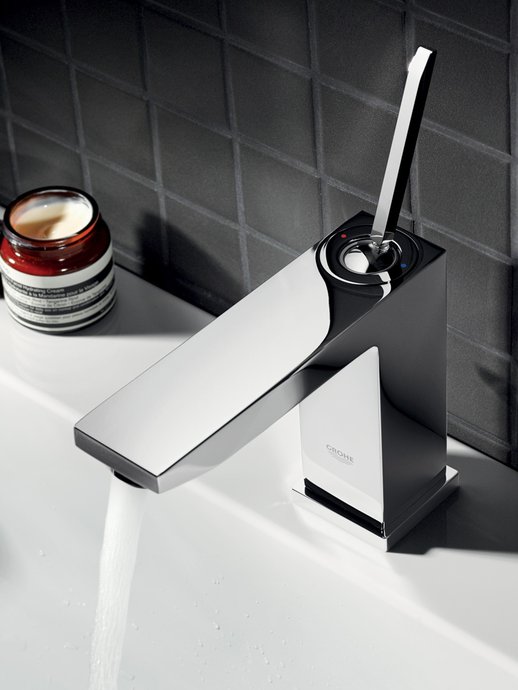
A traditional tap consumes between 12 and 15 litres per minute. Economical models reduce this consumption to 5-8 litres, representing a saving of 60% on your water bill.
There are several options available to you:
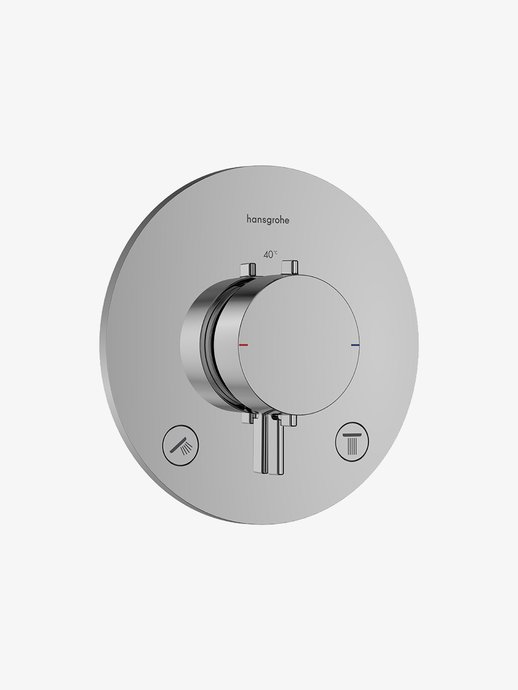
- Thermostatic mixers maintain a constant temperature and prevent waste during adjustments.
- Tap aerators are economical and easy to install. They mix air with water to create a normal flow sensation using less water.
- Automatic sensor taps only dispense water when a hand is present, eliminating any risk of forgetting to turn them off.
This equipment is easy to install on your existing systems, and you will quickly notice the difference in your bills.
Economical shower heads
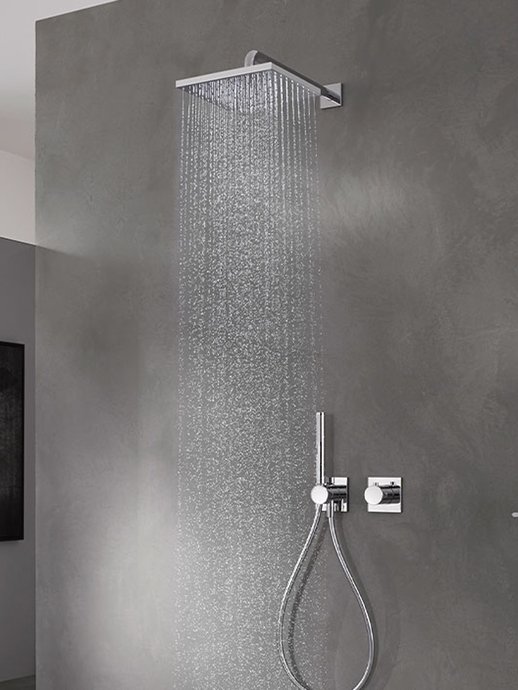
A 10-minute shower with a standard shower head consumes 150 litres of water. With a water-saving shower head, this consumption drops to 60-80 litres for the same level of comfort.
These shower heads work by injecting air to maintain a comfortable pressure despite reduced flow. Some models even include consumption indicators to make you more aware of your daily usage.
An economical shower head generally costs between £20 and £50 and will save you several hundred pounds a year depending on your consumption.
Water recovery: an ingenious solution
Greywater recovery systems allow water from sinks and showers to be reused to flush toilets. This solution can save you up to 30% of your drinking water consumption.
For tighter budgets, a simple "washbasin-toilet" kit directs water from the washbasin to the toilet cistern. These compact installations fit into existing bathrooms and can save up to 3,000 litres of drinking water per year.
This approach allows you to reduce your bills while preserving this precious resource.
Reduce your lighting bills while creating the perfect atmosphere
Lighting in your bathroom accounts for around 12% of your total electricity consumption. The good news is that you can easily reduce this consumption while improving the comfort of this everyday space.
Switch to LED lighting for long-term savings
LED bulbs consume up to 80% less electricity than traditional bulbs.
To create the ideal atmosphere in your bathroom, combine several light sources. General ceiling lighting illuminates the entire room, while directional spotlights above the mirror eliminate unsightly shadows. Add mood lighting for your moments of relaxation.
Maximise natural light, your free ally
Natural light remains the most environmentally friendly source of lighting and the most beneficial for your well-being. It regulates your biological clock while significantly reducing your need for artificial lighting.
If your bathroom has a window, choose light-coloured curtains that filter the light while preserving your privacy. Adjustable slatted blinds allow you to adjust the intensity according to your needs.
For rooms without direct access to natural light, skylights and solar tubes are an effective solution. These devices capture light on the roof and diffuse it through a reflective tube, providing natural lighting even in the darkest spaces.
Also opt for light colours on your walls and ceilings. This simple trick optimises light reflection, creating a feeling of space and brightness while reducing your need for artificial lighting.
Breathe healthily: optimal ventilation and air quality
In an eco-friendly bathroom, the air you breathe deserves as much attention as the materials you choose. Effective ventilation protects your natural materials while maintaining your everyday comfort. We guide you in creating a healthy and sustainable environment.
CMV: choose energy efficiency
Single-flow ventilation evacuates humid air to the outside while fresh air enters through ventilation grilles in dry rooms. This proven solution remains perfectly suited to most bathrooms.
Opt for low-energy models equipped with DC motors. These systems consume up to 50% less electricity than conventional models. This is not only good for the environment, but also for your wallet!
Dual-flow ventilation: a smart investment
Are you completely renovating your bathroom? Dual-flow ventilation is worth considering. This system recovers heat from outgoing air to warm incoming air, significantly reducing your heating needs.
An additional advantage is that the incoming air is filtered, removing pollen and fine particles. This is excellent news if you suffer from allergies! What's more, the preheated air eliminates the unpleasant sensation of cold draughts.
The higher initial investment pays for itself in the medium term thanks to the savings made on heating costs. This is a particularly attractive solution in the context of a complete eco-friendly renovation.
Choose healthy furniture and decorations for your well-being
Complete your eco-friendly bathroom with furniture and decorative elements that preserve indoor air quality. These choices, often overlooked, directly influence your daily comfort and health.
Opt for solid wood and recycled materials
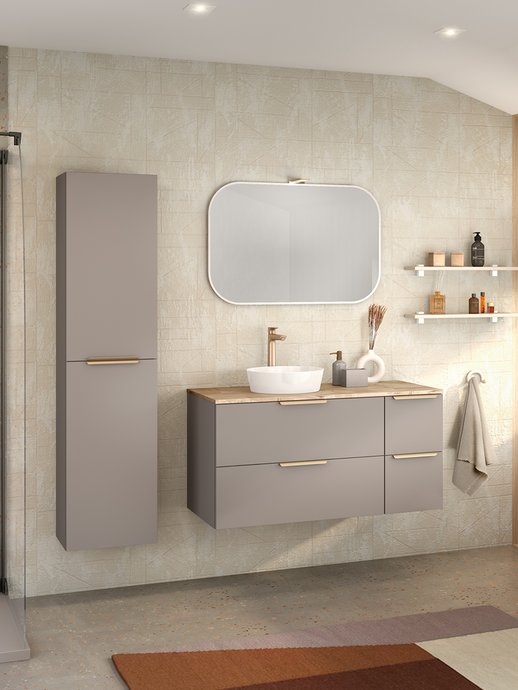
Wood is the ideal material for an environmentally friendly bathroom. Solid or recycled wood furniture offers exceptional durability while limiting your environmental impact.
Discover the species best suited to humid environments:
- Teak is naturally resistant to water and mould.
- Oak, robust and durable with appropriate treatment
- Rubberwood from sustainable plantations
- Bamboo, which offers excellent resistance to moisture
Recycled wood is a particularly virtuous solution. Recovered from old roof structures, boats or other structures, it gives your furniture a unique character while limiting deforestation.
An eco-friendly bathroom: comfort and long-term savings
Designing an eco-friendly bathroom requires a larger initial investment than a conventional renovation. However, this approach quickly pays for itself. The water and electricity savings achieved through high-performance equipment significantly reduce your bills while protecting the environment.
Natural materials such as wood, bamboo and cork offer superior durability compared to synthetic products. The result: fewer replacements and fewer renovations. These healthy materials also create an indoor environment free of toxic substances, which is beneficial to the health of the entire family.
We have presented you with numerous solutions for every aspect of your bathroom. Whether you are planning a complete renovation or gradual improvements, every step counts. Installing water-saving taps, choosing LED lighting or using natural paints are already significant steps towards a more environmentally friendly bathroom.
An eco-friendly bathroom is not limited to a few certified products. It reflects a comprehensive approach that considers the entire life cycle of materials. This vision allows you to create a space that is aesthetic, comfortable, healthy and sustainable. It's not only good for the environment, but also for your wallet!
Frequently asked questions
Q1. What are the advantages of an eco-friendly bathroom?
An eco-friendly bathroom offers several advantages: water and energy savings, use of sustainable and healthy materials, better indoor air quality, and a reduced overall environmental footprint.Q2. How can I reduce my water consumption in the bathroom?
To reduce water consumption, install low-flow taps, water-saving shower heads, and consider a greywater recycling system to supply toilet flushing.Q3. What eco-friendly materials are recommended for bathroom floors?
Recommended eco-friendly flooring materials include bamboo, cork and certified sustainable wood. These materials are moisture resistant, warm to the touch and offer good thermal insulation.Q4. How can ventilation be improved in an eco-friendly bathroom?
To improve ventilation, opt for a low-energy CMV or a dual-flow system for major renovations. Also ensure that the ventilation is adapted to the humidity level in the room.Q5. What are the most environmentally friendly lighting options for a bathroom?
The most environmentally friendly lighting options include maximising the use of natural light, installing low-energy LED bulbs, and adding motion sensors to avoid wasting energy.