Reduce your energy bills without compromising on comfort: our tips

1. Insulate your home intelligently
Good insulation is essential for enjoying the heat produced for as long as possible. Your well-insulated home significantly reduces heating bills while improving your everyday comfort. It's not only good for the environment, but also for your wallet!
Heat loss is mainly concentrated in the roof (up to 30%), walls (20 to 25%), windows and doors (10 to 15%) and floors (7 to 10%).
For windows, in addition to weatherstripping:
- Install thermal curtains that create an extra barrier against the cold while enhancing the aesthetics of your interior.
- Always close your shutters at nightfall to retain the heat accumulated during the day.
Why ventilation is essential
It may seem contradictory, but good insulation must be accompanied by adequate ventilation. Insulating without ventilating prevents the necessary air renewal and can lead to humidity problems.
An average household releases up to ten litres of moisture per day: breathing, cooking, showers, laundry, plants. Without proper drainage, this moisture causes:
- Condensation on cold surfaces
- The appearance of mould
- Degradation of materials
- Respiratory problems for occupants
The ideal relative humidity should be between 40% and 60%. Below this, the air is too dry and irritates the respiratory tract; above this, the risk of condensation and mould increases.
A well-designed ventilation system removes humid and stale air while bringing in fresh air.
There are four main systems:
- System A: natural ventilation (natural air intake and exhaust)
- System B: forced ventilation (mechanical air intake, natural exhaust)
- System C: extraction ventilation (natural air intake, mechanical exhaust)
- System D: dual-flow ventilation (mechanical intake and exhaust with heat recovery)
System D, although more expensive to install, recovers heat from the outgoing air, limiting energy loss while ensuring excellent air quality.
The choice of system depends on the layout of your home, your budget and technical constraints. Effective ventilation should not be overlooked, as it is an essential complement to good insulation.
Walloon regulations set out specific requirements for ventilation in dwellings to ensure sufficient air renewal while limiting energy loss.
To benefit from financial assistance, several grants are available in Wallonia, such as housing grants and grants for roofing and minor works. These schemes can cover a significant portion of your investments.
2. Choose an efficient heating system
Effective insulation alone is not enough. Your heating system directly determines your energy bill. Heating accounts for around 66% of a home's energy expenditure, making it your priority for achieving substantial savings.
Condensing boiler or heat pump?
Two technologies currently stand out for their performance: the condensing boiler and the heat pump. Each has its advantages depending on your home and your needs.
The condensing boiler recovers heat from combustion fumes, achieving a remarkable efficiency of around 95%. Its modulating burner automatically adjusts its power according to your actual needs, thus avoiding energy waste.
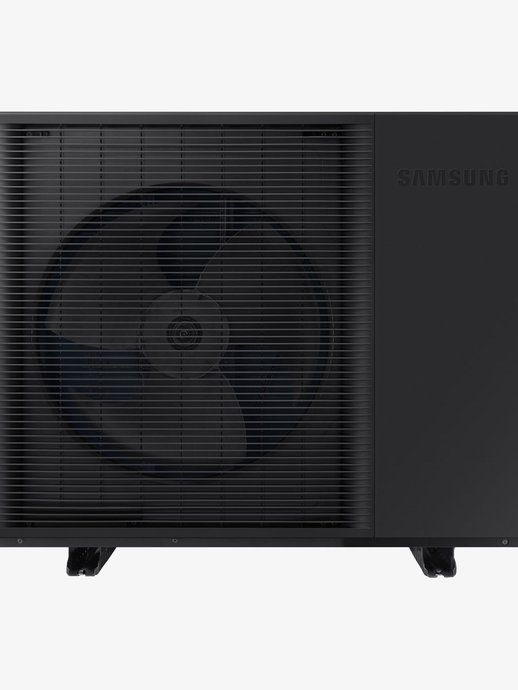
Heat pumps work differently: they capture the heat present in the air, water or ground to heat your home. Their main advantage? An exceptional coefficient of performance. An air-to-water heat pump generally produces three kilowatt hours of heat for every kilowatt hour of electricity consumed.
There are several types available:
- Air-to-water heat pumps draw heat from the outside air to supply your heating system.
- Air-to-air heat pumps distribute heat directly through forced air.
- Geothermal heat pumps extract heat from the ground via underground sensors.
3. Use your heating properly every day
Most of your energy consumption is devoted to heating. Intelligent management of this resource allows you to make substantial savings without sacrificing your comfort. We help you optimise your heating on a daily basis.
Programming your thermostat
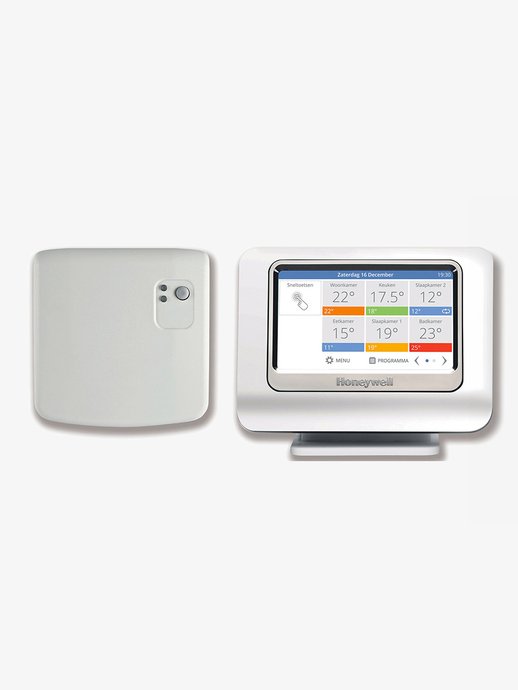
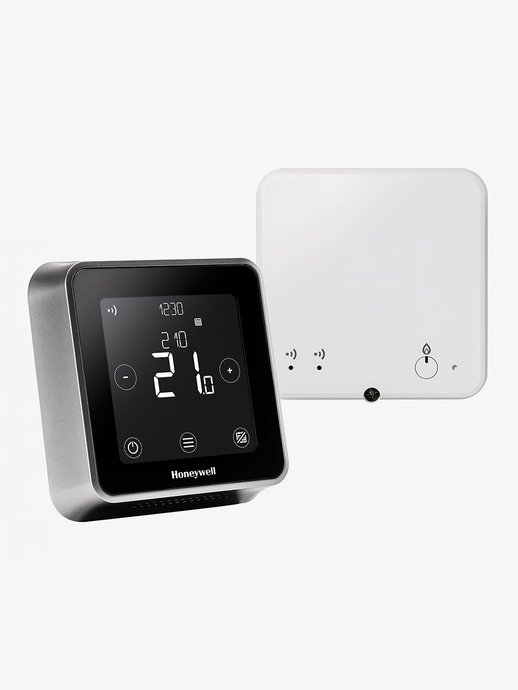
With a smart thermostat, you can fully adapt your heating to your lifestyle. It uses the temperature of the room in which it is installed to control your boiler. When the temperature drops below the desired level, it turns on the heating and then turns it off once the temperature is reached.
Set your thermostat to:
- 19 or 20°C when you are at home
- 15 or 16°C during the night and when you are away
Lowering your thermostat by one degree can significantly reduce your energy bill. This simple adjustment can easily save you between 10 and 25% on your heating consumption.
The programmable thermostat allows you to set different temperature ranges for different times of day, depending on your lifestyle. You can set the temperature to 19°C on weekdays from 6am to 8am and then from 5pm to 10pm, and on weekends from 7am to 10pm. Outside these times, keep the temperature at 15°C.
Adjusting your thermostatic valves correctly
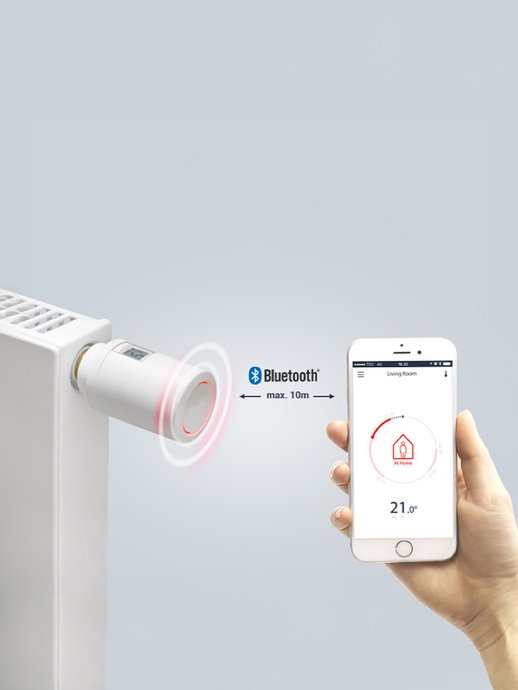
The thermostatic valves installed on your radiators allow you to fine-tune the temperature control in each room. They are simple to use but often misunderstood.
On a thermostatic valve, each number corresponds to a maximum temperature:
- 0: valve closed
- *****: antifreeze (7°C)
- 1: 12–14°C
- 2 : 16-17°C
- 3 : 20°C
- 4: 23–24°C
- 5: no limit
Opening all the valves to 5 does not heat the room any faster! It simply means that the radiators heat to maximum until the set temperature is reached in the room where the thermostat is located.
Heat consciously
An effective strategy for saving energy is to adjust the temperature according to the specific needs of each room:
- Living areas (living room, kitchen, office, etc.): 19°C when occupied and 16-17°C when unoccupied
- Bedroom: 17°C at night
- Children's bedroom: 17°C at night and 19°C during the day
- Bathroom: 22°C during use and 16-17°C the rest of the time
Above 20°C, each additional degree increases your heating bill by 7%.
To optimise your consumption:
- Close doors between rooms heated to different temperatures.
- Avoid placing furniture in front of radiators or drying laundry on them.
- Regularly clear and dust your radiators.
- Place reflective panels behind radiators located on uninsulated walls.
- Air bubbles can sometimes form in the pipes of your heating system, causing the radiator to give off less heat. By bleeding your radiators at least once a year, you can ensure that heat is distributed properly again.
A poorly maintained boiler consumes more energy, pollutes more and can be dangerous. Annual servicing is mandatory for oil, gas or wood-fired boilers, and every two years for heat pumps.
4. Reduce hot water consumption
Hot water is the second largest source of energy consumption in your home, accounting for around 12% of your total bill. It's not only good for the environment, but also for your wallet! We can help you reduce these costs without compromising on comfort.
Choosing an efficient water heater
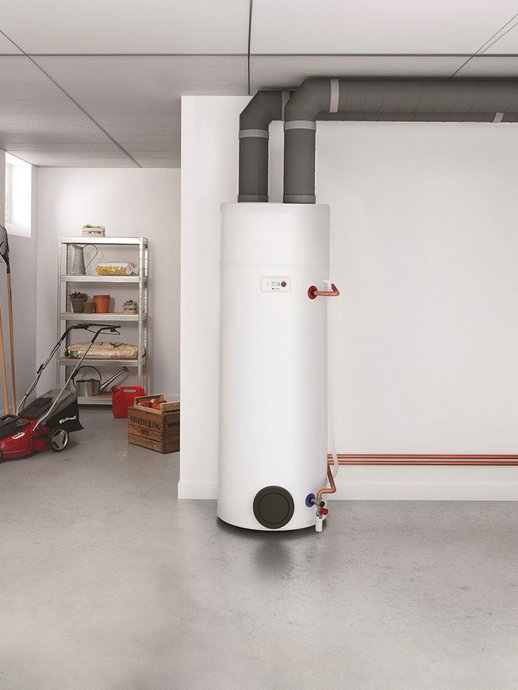
The thermodynamic water heater works like a miniature heat pump. It captures heat from the air to heat your water and consumes up to 70% less electricity than a conventional model. Its coefficient of performance is between 2.5 and 3.5, which means it produces much more energy than it consumes.
If your home already has a boiler, connecting the tank to your existing system will optimise overall efficiency. This solution is particularly economical when used with a condensing boiler.
Adapt the capacity of the tank to your actual needs:
- 1-2 persons: 100 to 150 litres
- 3-4 people: 150 to 200 litres
- 5 people or more: 200 to 300 litres
An oversized tank generates unnecessary losses, while a model that is too small will not meet your needs.
Insulate your water heater and hot water pipes! A well-insulated water heater retains heat longer and reduces heating cycles. Similarly, insulating pipes limits heat loss between the water heater and your taps.
Sustainable savings at your fingertips
Saving money on your energy bill is not magic, but a thoughtful approach that combines common sense and practical solutions.
Smart insulation for your home is the foundation of any energy-saving strategy. Even simple actions such as closing your shutters at night or installing thermal curtains can make a difference. An efficient, well-adjusted and properly maintained heating system will then guarantee you optimal comfort while controlling your consumption.
The daily management of your equipment plays a decisive role. Programming your thermostat according to your habits, using a water-saving shower head or unplugging appliances on standby: every action counts and quickly translates into visible savings on your bill.
These solutions offer a major advantage: they can be adapted to any budget. Some measures require a one-off investment, while others simply involve changing a few habits. Taken together, these measures can easily reduce your energy bill by 30 to 40%.
Frequently asked questions
Q1. How can I reduce my daily electricity consumption?
Switch off lights and unplug appliances when not in use, use LED light bulbs, optimise the use of your household appliances by running them at full load, and use natural light whenever possible.Q2. Which appliances consume the most electricity in a home?
Heating and domestic hot water systems are generally the most energy-intensive. Next come large household appliances such as refrigerators, washing machines and tumble dryers.Q3. How can I optimise my heating system to save energy?
Install a programmable thermostat, adjust the thermostatic valves correctly, insulate your heating pipes, and maintain a temperature of 19°C in living areas and 16°C in bedrooms.Q4. What are the advantages of using LED bulbs for lighting?
LED bulbs consume up to 80% less electricity than incandescent bulbs, have a much longer lifespan (15,000 to 40,000 hours), and turn on instantly without any warm-up time.Q5. How can I reduce energy consumption related to domestic hot water?
Install an efficient water heater such as a thermodynamic model, use a water-saving shower head, insulate your hot water tank and pipes, and take showers instead of baths to reduce your hot water consumption.