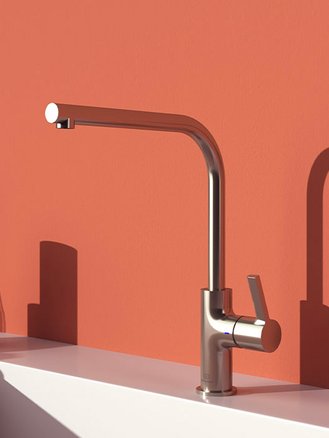
Design mistakes to avoid at all costs when designing your shower area

Overcoming space constraints to create a functional shower area
Designing a shower area presents particular challenges that many people underestimate. Poor organisation can quickly turn this everyday space into an uncomfortable area where every movement becomes complicated. We can help you avoid these common pitfalls to create a shower area that is both practical and pleasant.
The most common spatial errors
The available space largely determines the success of your project. However, many people overlook this fundamental constraint. The main mistake? Being seduced by aesthetics at the expense of functionality.
Failure to plan ahead can also lead to costly disappointments. Measuring your space accurately and planning traffic flow before starting work will save you a lot of frustration. A detailed plan is your best ally for avoiding unpleasant surprises.
Narrow showers: pitfalls to avoid
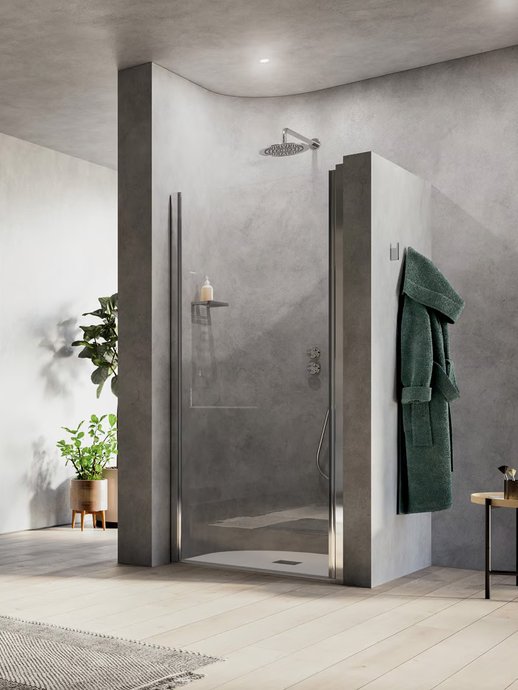
Restricted spaces amplify certain design errors. The choice of opening is the first pitfall. A hinged door in a narrow space may collide with other elements or prove impossible to open completely. Instead, opt for sliding doors or pivoting walls.
The placement of accessories also deserves your attention. A shelf that is too bulky or poorly positioned makes the shower space uncomfortable.
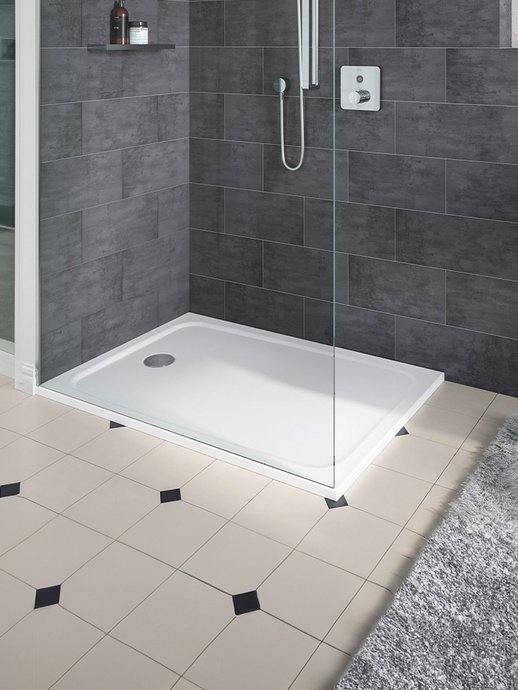
Also pay attention to the size of the shower tray. If it is too large, it will get in the way; if it is too small, it will cause splashes throughout the bathroom. The balance between comfort and practicality is essential.
Effectively optimising a 5m² bathroom
A well-designed 5m² bathroom can rival larger spaces in terms of comfort. Start by placing your shower in a corner to save space and simplify the installation of the walls.
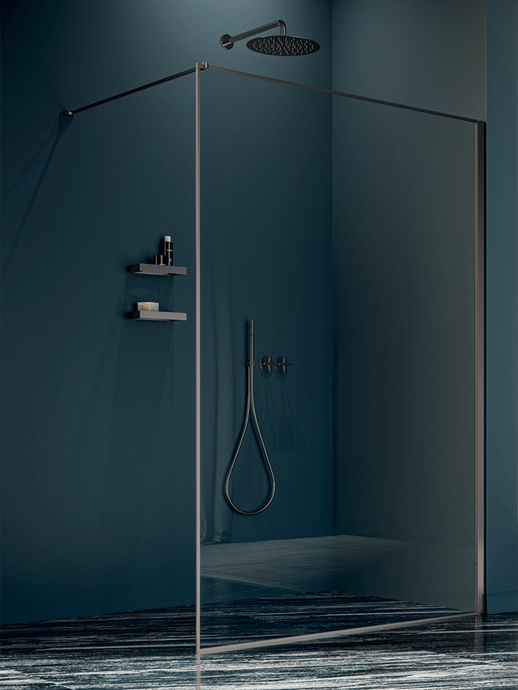
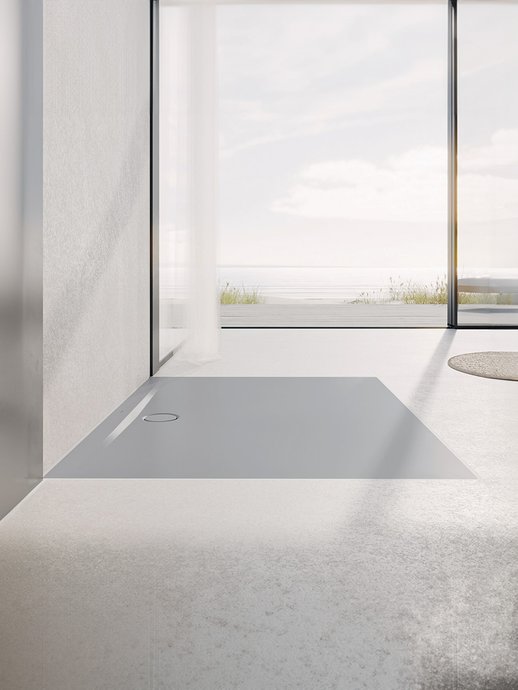
The walk-in shower eliminates the raised tray and visually enlarges the space. However, this solution requires perfect waterproofing and an adequate slope for drainage.
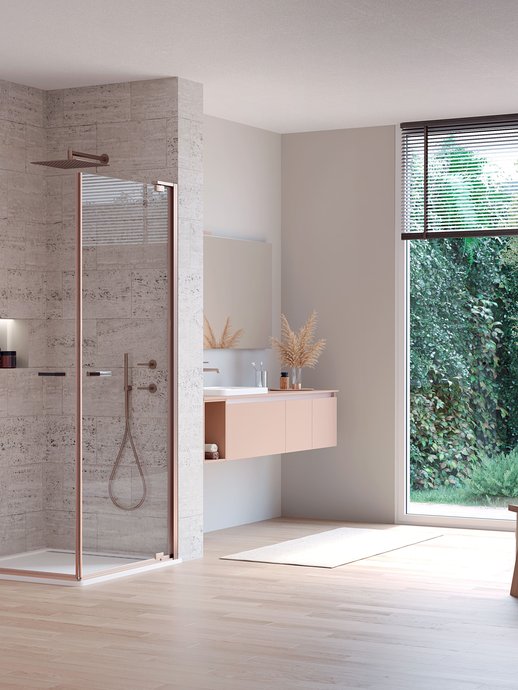
Opt for transparent glass walls that let light through and create a feeling of space. In a very small space, a simple fixed wall may be enough to contain splashes.
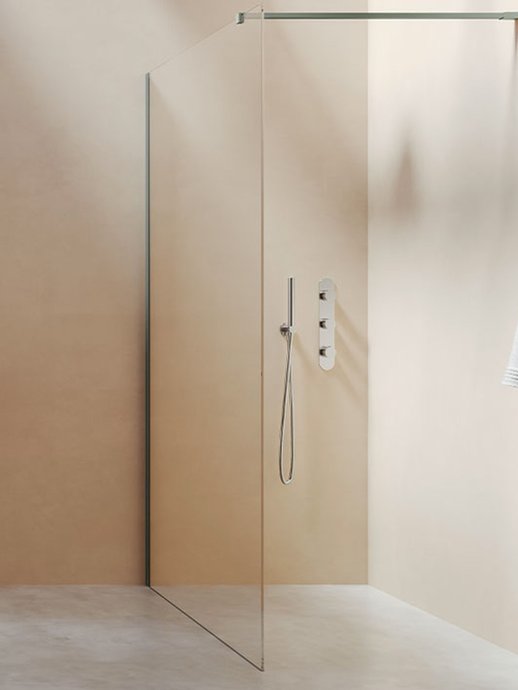
For taps, a wall-mounted thermostatic mixer saves space compared to a column-mounted model. A hand-held shower head with shower rail offers more flexibility than a fixed shower head, particularly in confined spaces.
Pay attention to the lighting in your shower area
Lighting makes all the difference in your shower area. Poorly designed lighting can quickly transform an elegant space into an impractical and uncomfortable area. We can help you create lighting that combines safety and well-being.
Why light is essential in the shower
In a small 5m² bathroom, well-designed lighting can visually enlarge the space. Conversely, poorly designed lighting accentuates the feeling of crampedness. Unwanted shadows visually reduce the size of the shower area.
The most common mistake? Installing a single central ceiling light. This solution creates unwanted shadows and does not illuminate the space evenly. For effective lighting, use multiple light sources and position them strategically.
A shower requires between 300 and 500 lux for optimal visual comfort. Below this level, the lighting is insufficient; above it, it becomes dazzling.
Direct or indirect lighting: how to choose?
Direct lighting projects light directly onto the area to be illuminated. Recessed ceiling spotlights or waterproof wall lights provide high brightness, perfect for precise tasks. However, be aware of sharp shadows and annoying reflections on glass walls.
Adjustable directional spotlights are an excellent solution. They allow you to adjust the angle of lighting according to your needs and avoid shadow areas.
Indirect lighting diffuses light by reflecting it off walls or ceilings. This technique creates a soft, soothing atmosphere, ideal for a relaxing shower. LED strips behind a mirror, under a recess or along a cornice are perfect examples of this type of lighting.
However, indirect lighting alone may not be sufficient for certain tasks. The optimal solution? Combine both approaches. Recessed spotlights for main lighting, complemented by indirect LEDs for ambient lighting.
For small bathrooms, indirect lighting has a considerable advantage: it visually enlarges the space. LEDs installed in skirting boards or on the ceiling create an impression of depth.
Choose safe and durable materials
The choice of materials largely determines the comfort and safety of your shower area. Many homeowners prioritise aesthetics without giving sufficient consideration to the risks of slipping or waterproofing issues that may arise. These selection errors can quickly turn a pleasant space into a dangerous area, particularly for elderly people.
Recommended materials for a safe shower
Non-slip shower trays provide effective primary protection. Choose those with a minimum PN 12 rating. Premium models even offer ratings up to PN 24, drastically reducing the risk of falls.
Special bathroom ceramics combine safety and ease of maintenance. Stain-resistant and durable, they simply require regular maintenance of the joints. Mineral composite is a particularly suitable modern solution: non-porous and easy to maintain, it can be cleaned with a soft cloth and mild detergent.
Resin sinks are gaining popularity thanks to their lightness and robustness. They are impact and scratch resistant, while offering a modern look that is perfectly suited to contemporary bathrooms.
Simple maintenance, an essential criterion
Easy maintenance is an often overlooked but crucial factor. Surfaces that are difficult to clean accumulate soap scum, limescale and mould, quickly compromising the hygiene of your shower.
The composite shower tray requires little maintenance, which is its number one advantage. A soft damp cloth and mild detergent are usually sufficient. Avoid corrosive agents that could damage its surface.
A well-designed shower with suitable materials not only guarantees optimal safety but also ease of maintenance, transforming what could become a chore into a simple daily task.
Neglect ventilation at your own risk
Does the humidity in your bathroom sometimes seem excessive after a shower? This situation, far from being trivial, hides a design problem with consequences that are much more serious than they appear.
Why your bathroom needs to breathe
The air inside a home contains 2 to 5 times more pollutants than the air outside. In your bathroom, this reality is considerably worse. Every shower generates a significant amount of water vapour which, without proper ventilation, seeps everywhere.
The consequences? Your tile joints become porous and deteriorate. Paint blisters, wooden furniture swells and warps. Even more worrying, mould proliferates and releases spores that can trigger asthma, sinusitis and allergies. Vulnerable people, pregnant women and babies are particularly at risk.
Excessive humidity also costs you more in heating. Humid air requires more energy to maintain a comfortable temperature, which has a direct impact on your energy bill.
Effective ventilation solves these problems by removing humidity, odours and pollutants. It ensures constant air renewal to protect your health and your installation.
Practical solutions for your windowless bathroom
Does your bathroom lack natural ventilation? We present the most effective solutions for your situation.
For a simple and economical solution, spot ventilation (VMP) is the way to go. This air extractor can be easily mounted on the wall or ceiling and directly vents humid air to the outside. You can connect it to your light switch so that it operates automatically.
For a more comprehensive approach, opt for a CMV (controlled mechanical ventilation) system:
- Single-flow CMV: extracts stale air from your bathroom to the outside, while fresh air enters living areas naturally.
- Dual-flow CMV: more sophisticated, it recovers up to 90% of the heat from the extracted air to preheat the incoming air. Although more expensive to install, it offers significant energy savings.
If installing a complete CMV system proves too complex in your existing home, individual ventilators are a practical alternative. These devices work like a dual-flow CMV system but on a room-by-room basis, providing effective ventilation without the need for major building work.
Create your ideal shower area
The successful design of your shower area depends on a thoughtful approach that prioritises both comfort and practicality. We have outlined the five key points you need to master in order to avoid the most common pitfalls.
Optimising space and choosing the right lighting lay the foundations for an enjoyable shower experience every day. The materials selected determine the safety and durability of your installation, while effective ventilation protects your bathroom from the inconveniences associated with humidity.
Ergonomics, often underestimated, nevertheless transforms everyday experiences. Well-positioned equipment prevents awkward movements and makes each use more fluid.
These technical considerations, applied from the design stage onwards, guarantee you a shower enclosure that combines aesthetics and functionality. The effort put into the installation will pay off in years of comfort and greatly facilitate daily maintenance.
Your project deserves this attention to detail. A well-designed shower accompanies you every day, offering you a space that is safe, practical and pleasant to use.
Frequently asked questions
Q1. How can I optimise space in a small bathroom?
To optimise space in a small bathroom, opt for a walk-in shower with a glass screen, use wall-mounted storage and built-in niches, and choose multifunctional fixtures. Well-designed lighting can also make the room feel more spacious.Q2. What are the best non-slip materials for shower floors?
The best non-slip materials for shower floors include textured tiles with a minimum R10 slip resistance rating, resin shower trays with anti-slip treatment, and mineral composite coverings specially designed for bathrooms. These options combine safety and ease of maintenance.Q3. How can I improve ventilation in a windowless bathroom?
To improve ventilation in a windowless bathroom, install a controlled mechanical ventilation (CMV) system or an extractor fan. A dual-flow CMV system is particularly effective as it renews the air while recovering heat. For renovations, an individual ventilator can be a practical solution.Q4. What type of lighting is recommended for a shower?
Optimal lighting for a shower combines direct and indirect sources. Waterproof recessed spotlights in the ceiling provide general lighting, while LEDs integrated into niches or along the walls create a pleasant atmosphere. Choose light fixtures with a minimum IP65 protection rating to withstand humidity.Q5. How can you make a shower more ergonomic?
To make a shower more ergonomic, place the shower head at a height of around 2 metres, install an easily accessible thermostatic mixer tap, and incorporate storage niches at an appropriate height. Add a secure grab bar and choose non-slip flooring. Also consider the space for movement to facilitate mobility.